

Alloy Steel for Castings
Cast alloy steel should be used when the strength of the casting is relatively high and the use of cast iron cannot meet the requirements. However, the fluidity of molten steel of cast steel is not as good as that of cast iron, so the thickness of the pouring structure should not be too small and the shape should not be too complicated. When the silicon content is controlled at the upper limit, the fluidity of molten steel can be improved.
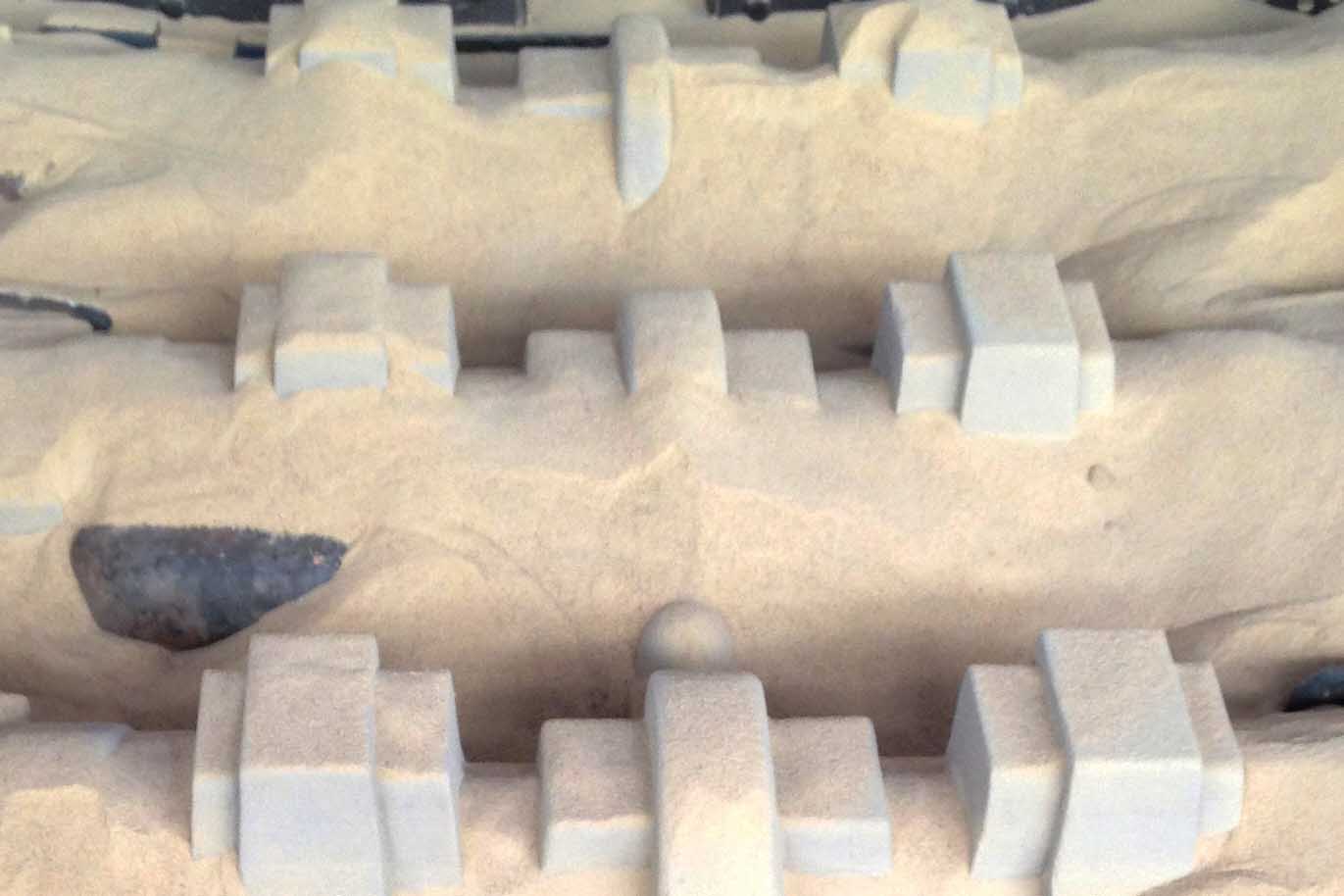
Vacuum Casting Patterns
Structural Characteristics of Alloy Steel Castings
- The minimum wall thickness of steel castings should be greater than the minimum wall thickness of gray cast iron. It is not suitable to design too complex castings
- Steel castings have relatively large internal stress and are easy to bend and deform
- The structure should minimize hot nodes and conditions for sequential solidification should be created
- The fillet of the connecting wall and the transition section of different thickness are larger than those of cast iron
- Complicated castings can be designed into a casting + welding structure to facilitate casting production
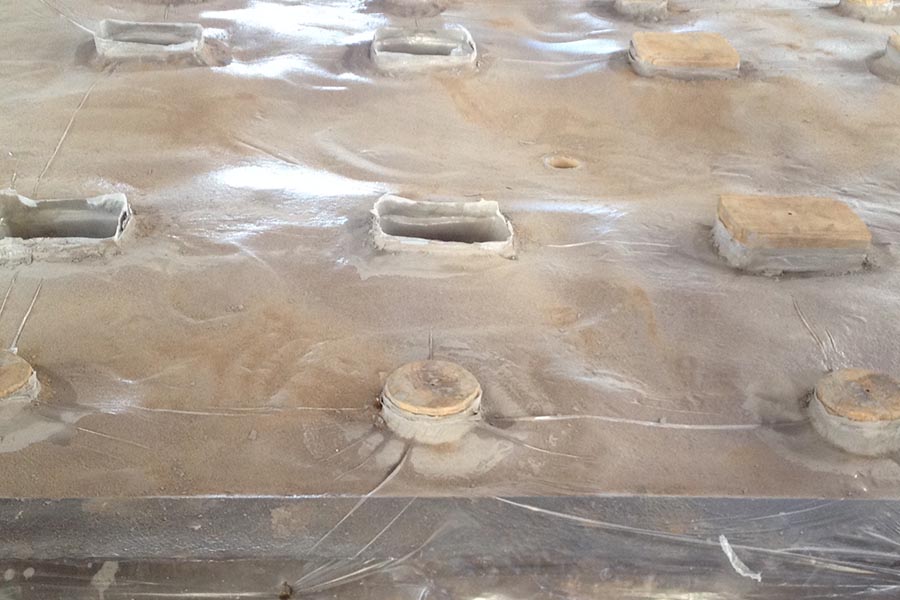
Casting Mould Making
Different Types of Alloy Steel Casting
- Cast steel can be divided into cast alloy steel and cast carbon steel according to its chemical composition, and can also be divided into cast tool steel, cast special steel, engineering and structural casting and cast alloy steel according to its characteristics. Casting alloy steel can be divided into cast low alloy steel (the total alloy elements are less than or equal to 5%), cast alloy steel (the total alloy elements are 5% to 10%) and cast high alloy steel (the total alloy elements are greater than or equal 10%).
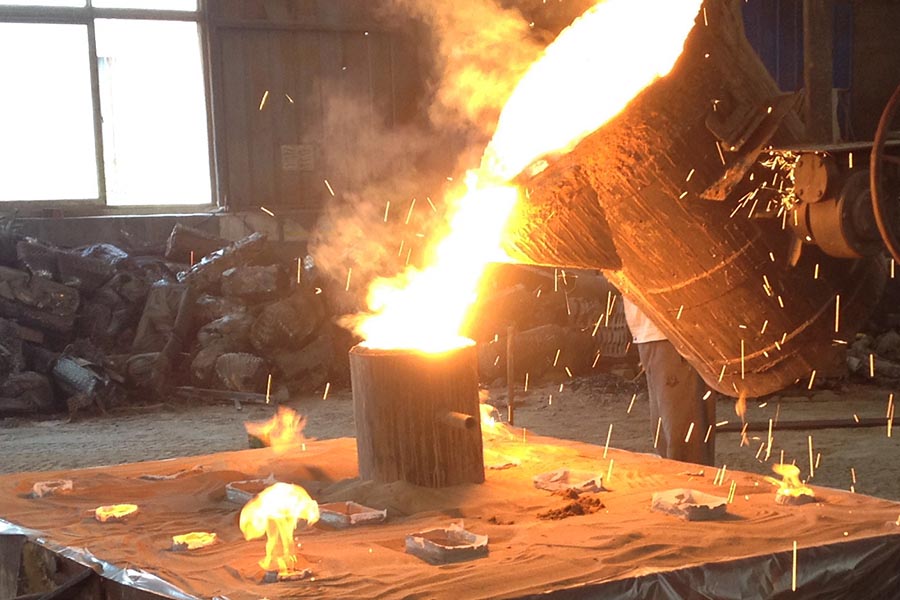
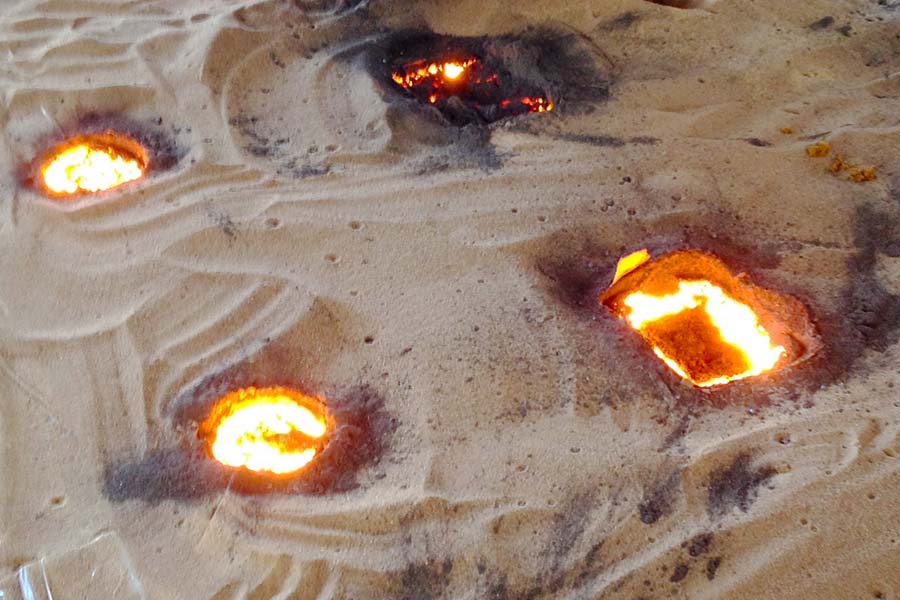
Molten Metal Pouring
Alloy Steel Casting Gallery
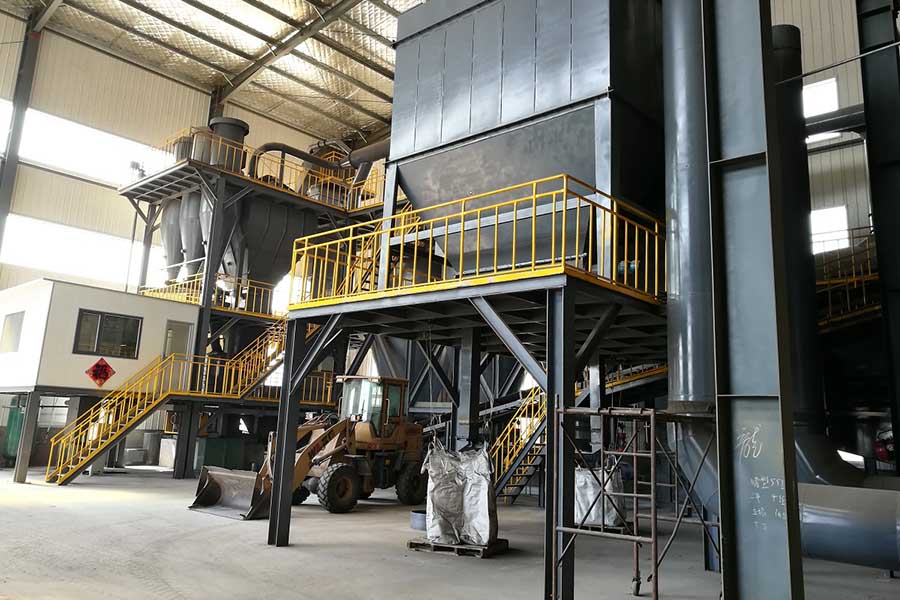
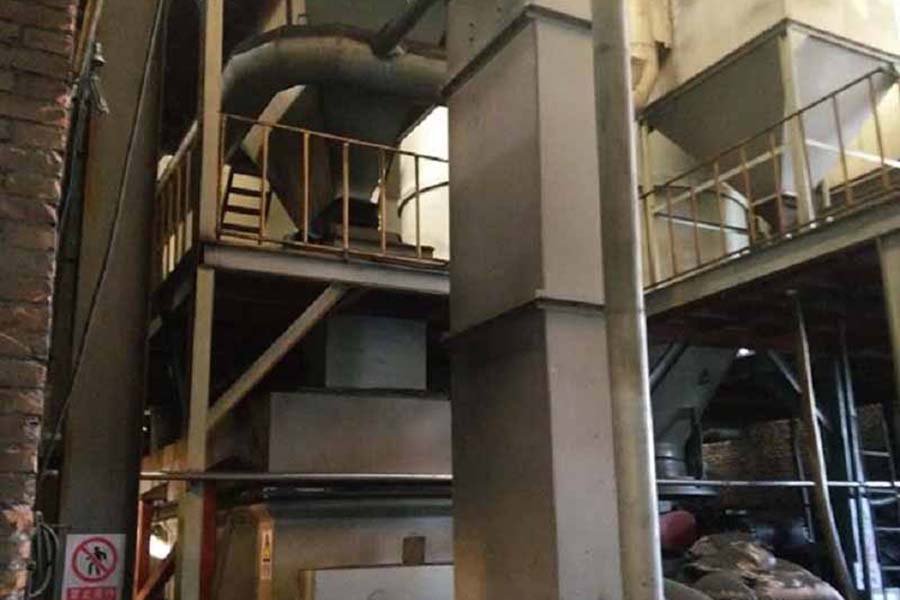
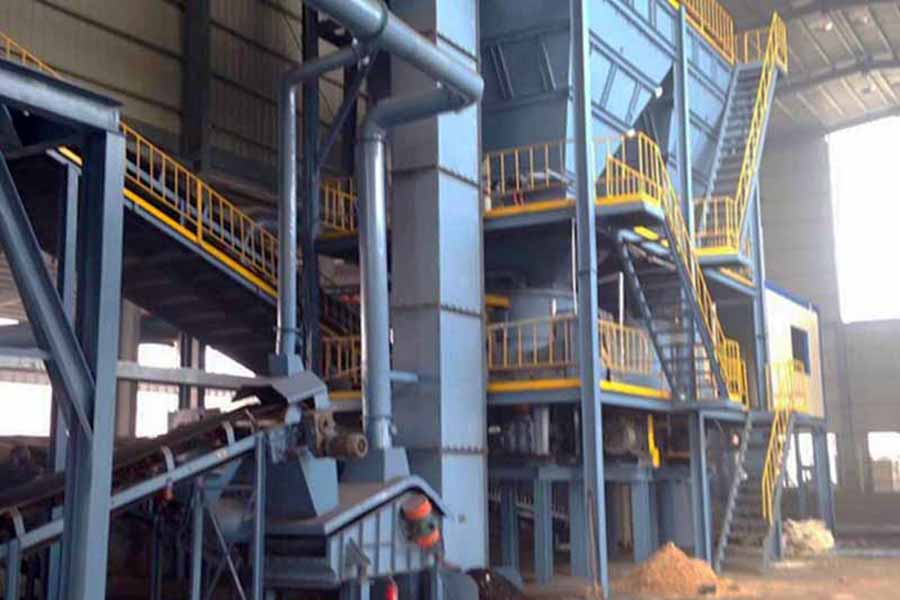
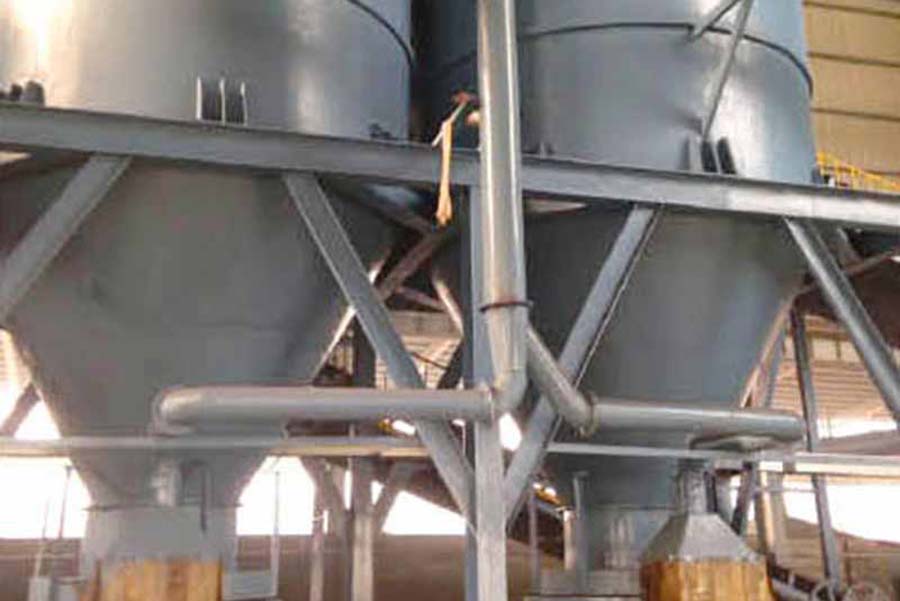
 Sand Processing Equipment
- Sand Processing Equipment
- Sand Processing Equipment
 Sand Processing Equipment
- Cooling and Solidification
 Molten Metal Pouring
- Sand Cores
- Molten Metal Pouring
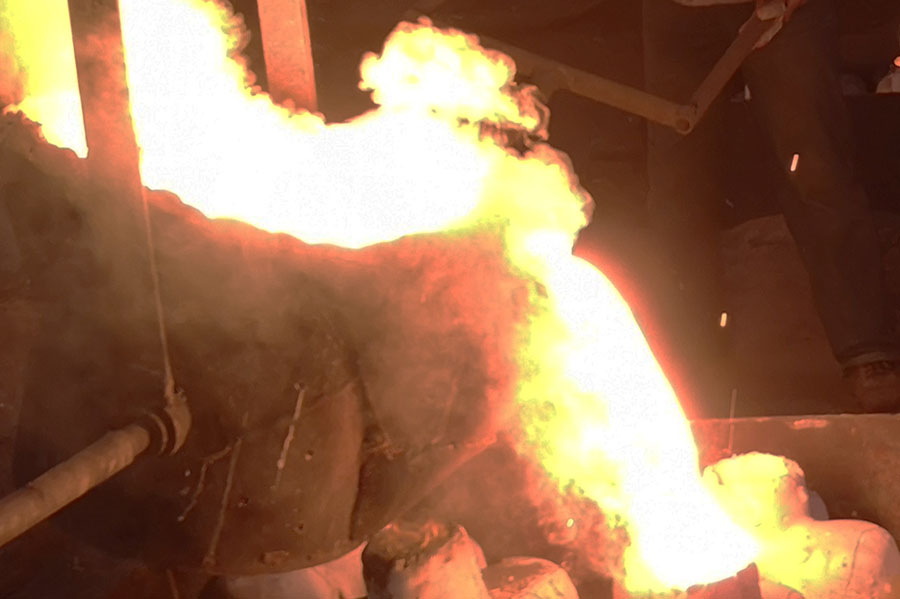
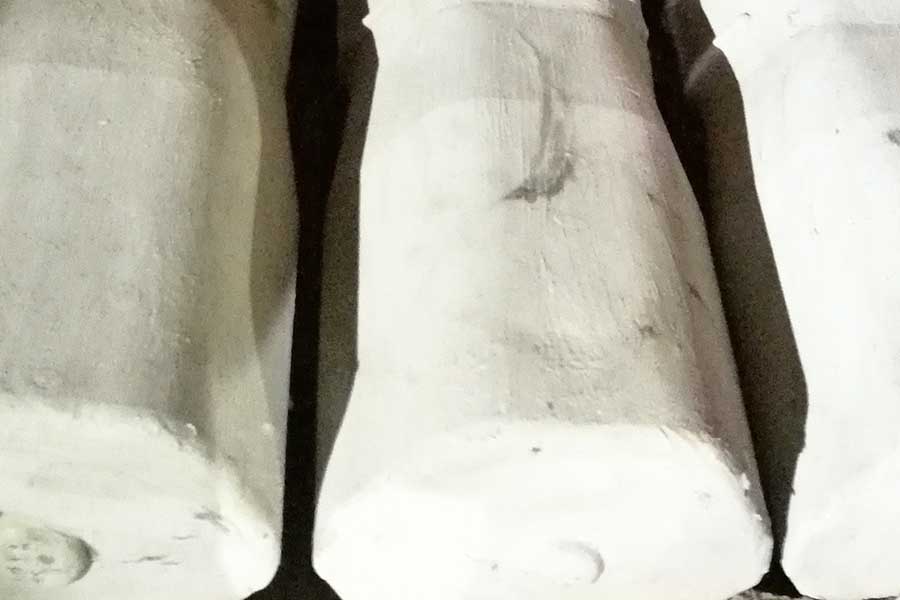
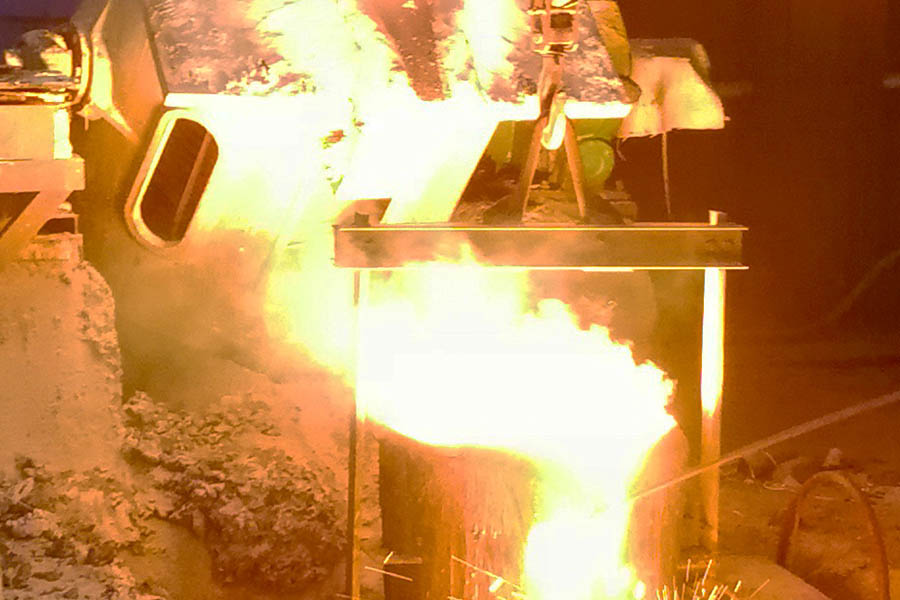
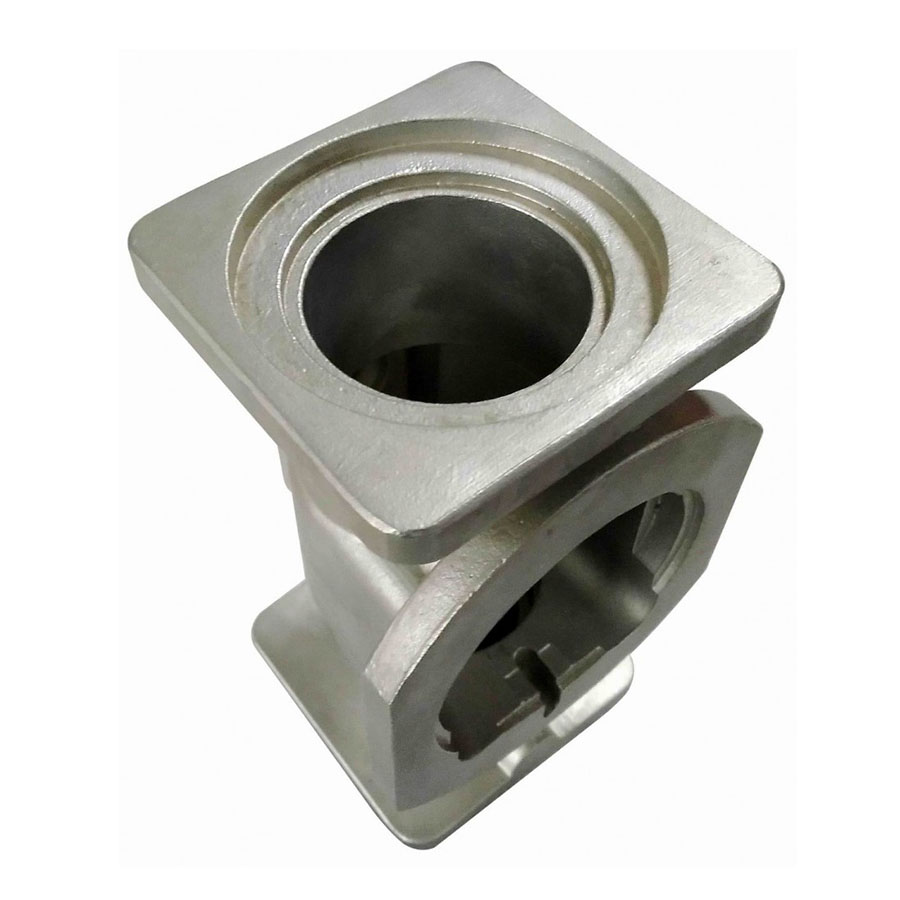
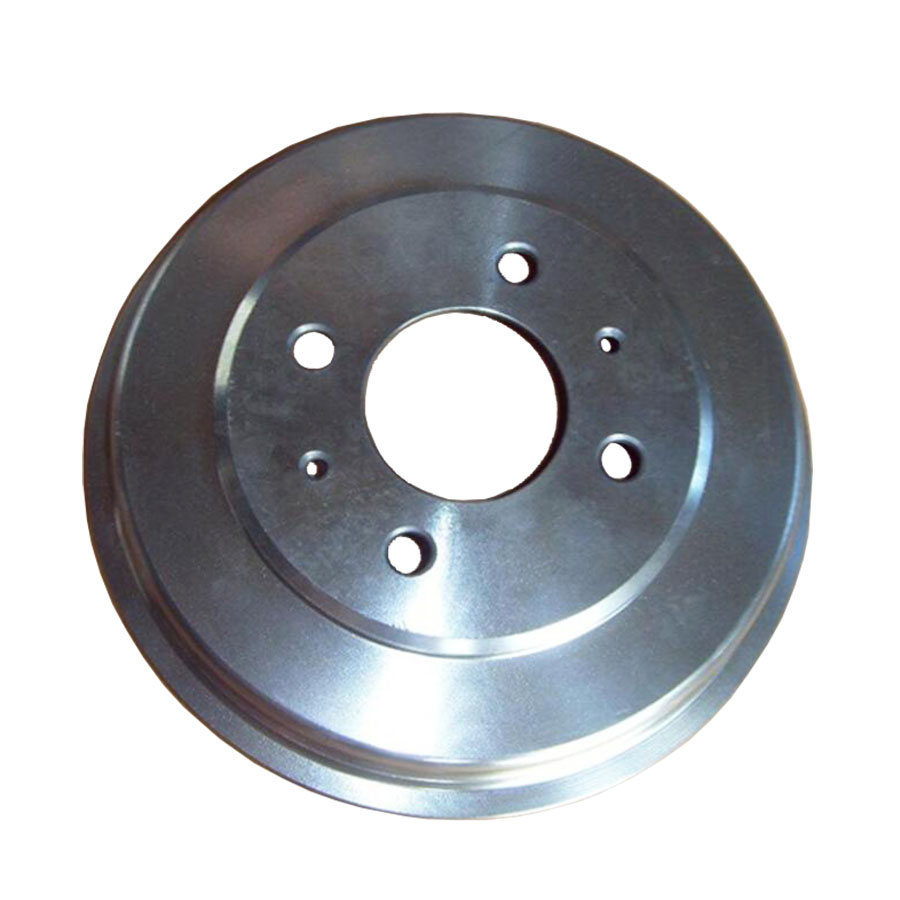
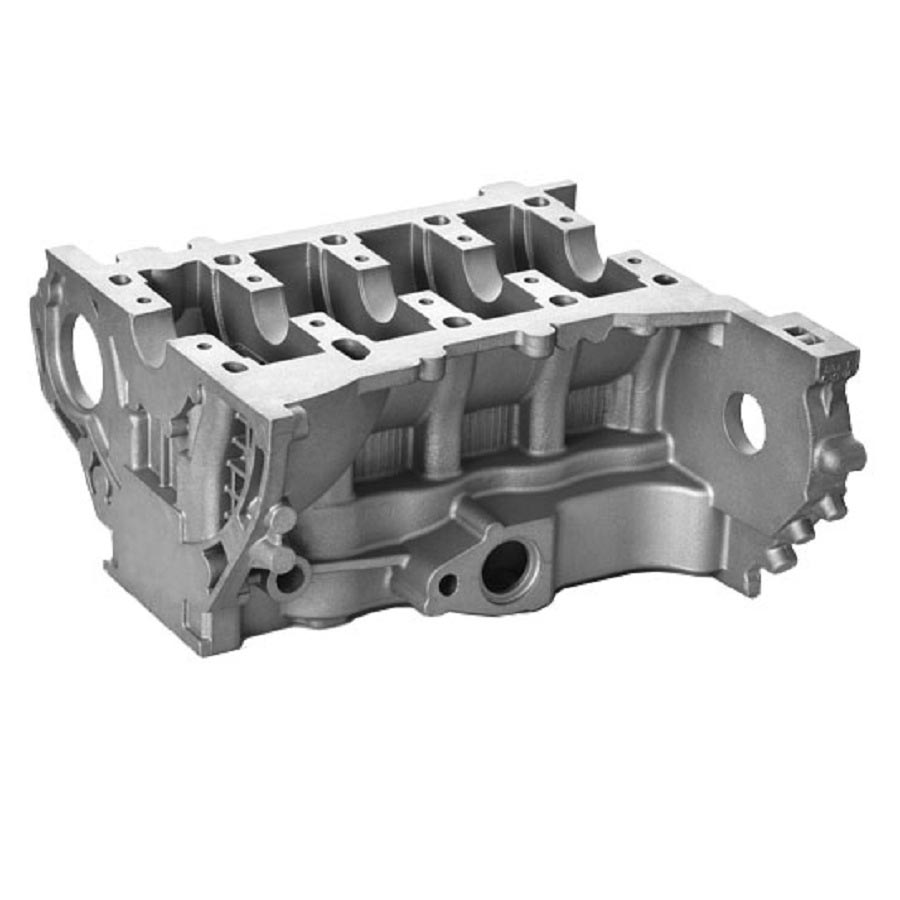
Typical Alloy Steel Casting Components
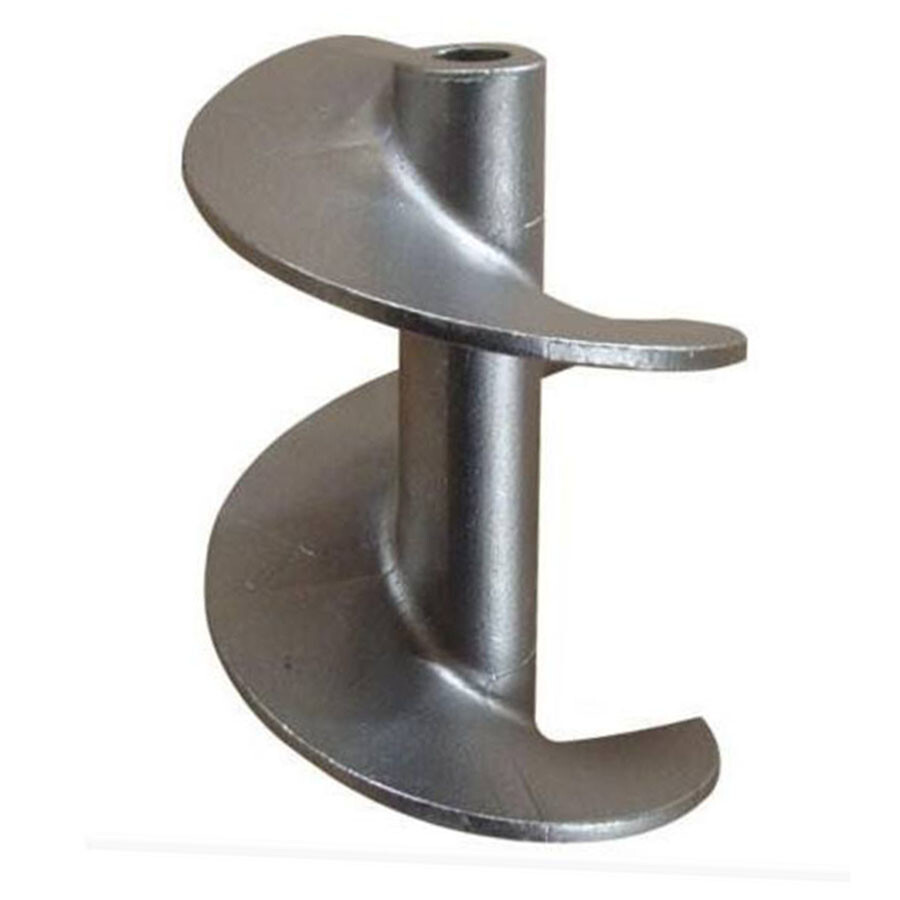
Alloy Steel Casting Parts' Applications
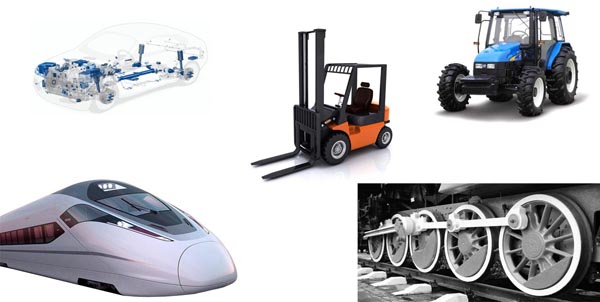
Parts made by vacuum casting are utilized to cast a wide variety of items, including high quality, high performance industrial parts of complex structures. The application of the vacuum casting parts covers a wide range of industries, in our company they are typically used in the following areas:
- Rail Trains
- Heavy Duty Trucks
- Automotive
- Construction Equipment
- Logistics Equipment
- Agricultural Equipment
- Hydraulics
- Engine Systems
Value Added Services
There are several reasons to choose RMC as your source for vacuum castings, these include:
- Engineering team whose members are focusing on metal casting field.
- Extensive experience with complex geometries parts
- A broad range of materials, including ferrous and non-ferrous alloys
- Precision CNC machining
- One-stop solutions for castings and secondary process
- Consistent quality guaranteed and continuous improvement.
- Teamwork including toolmakers, engineers, foundryman, machinist and production technicians.
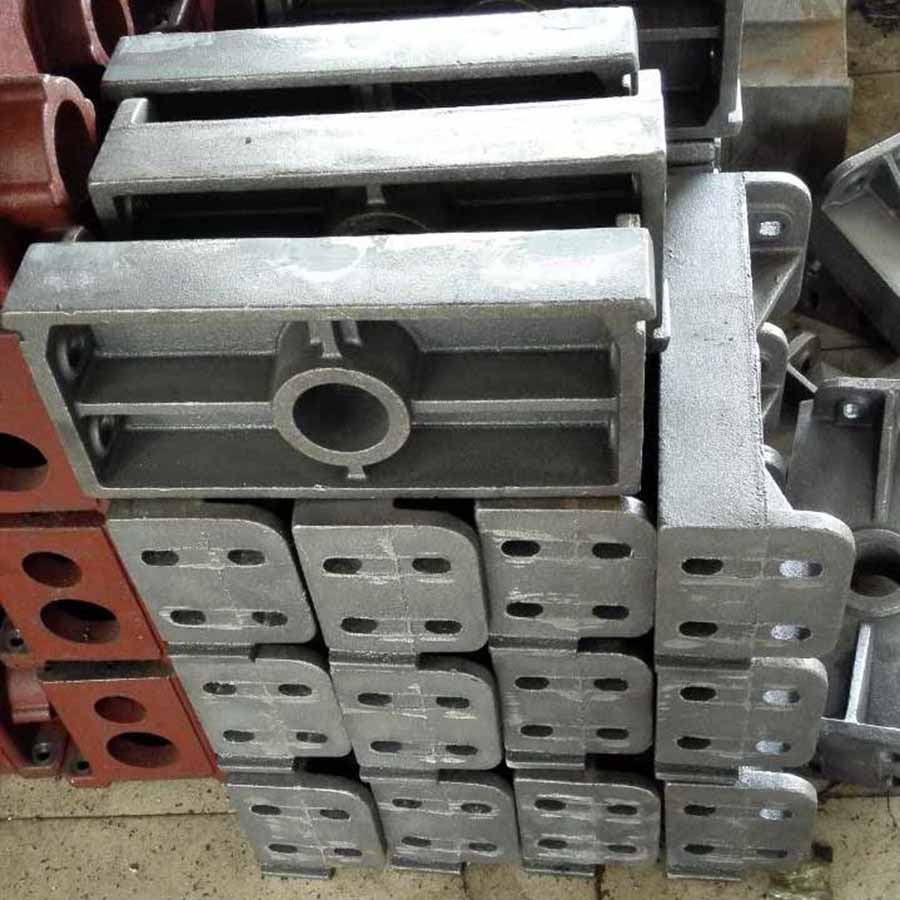
Alloy Steel Castings