
Stainless Steel for Castings
Stainless steel is the abbreviation of stainless and acid-resistant steel. It is called stainless steel that is resistant to weak corrosive media such as air, steam, and water. Corrosion steel is called acid-resistant steel. Due to the difference in chemical composition between the ordinary stainless steel and acid-resistant steel, their corrosion resistance is different. Ordinary stainless steel is generally not resistant to chemical media corrosion, while acid-resistant steel is generally non-corrosive. The term "stainless steel" not only refers to a single type of stainless steel, but also refers to more than one hundred industrial stainless steels. Each stainless steel developed has good performance in its specific application field.
Stainless steel is often divided into martensitic stainless steel, ferritic stainless steel, austenitic stainless steel, austenitic-ferritic (duplex) stainless steel and precipitation hardening stainless steel according to the state of microstructure. In addition, according to the chemical compositions, it can be divided into chromium stainless steel, chromium nickel stainless steel and chromium manganese nitrogen stainless steel, etc.

Stainless Steel Castings
Different Types of Stainless Steel for foundry
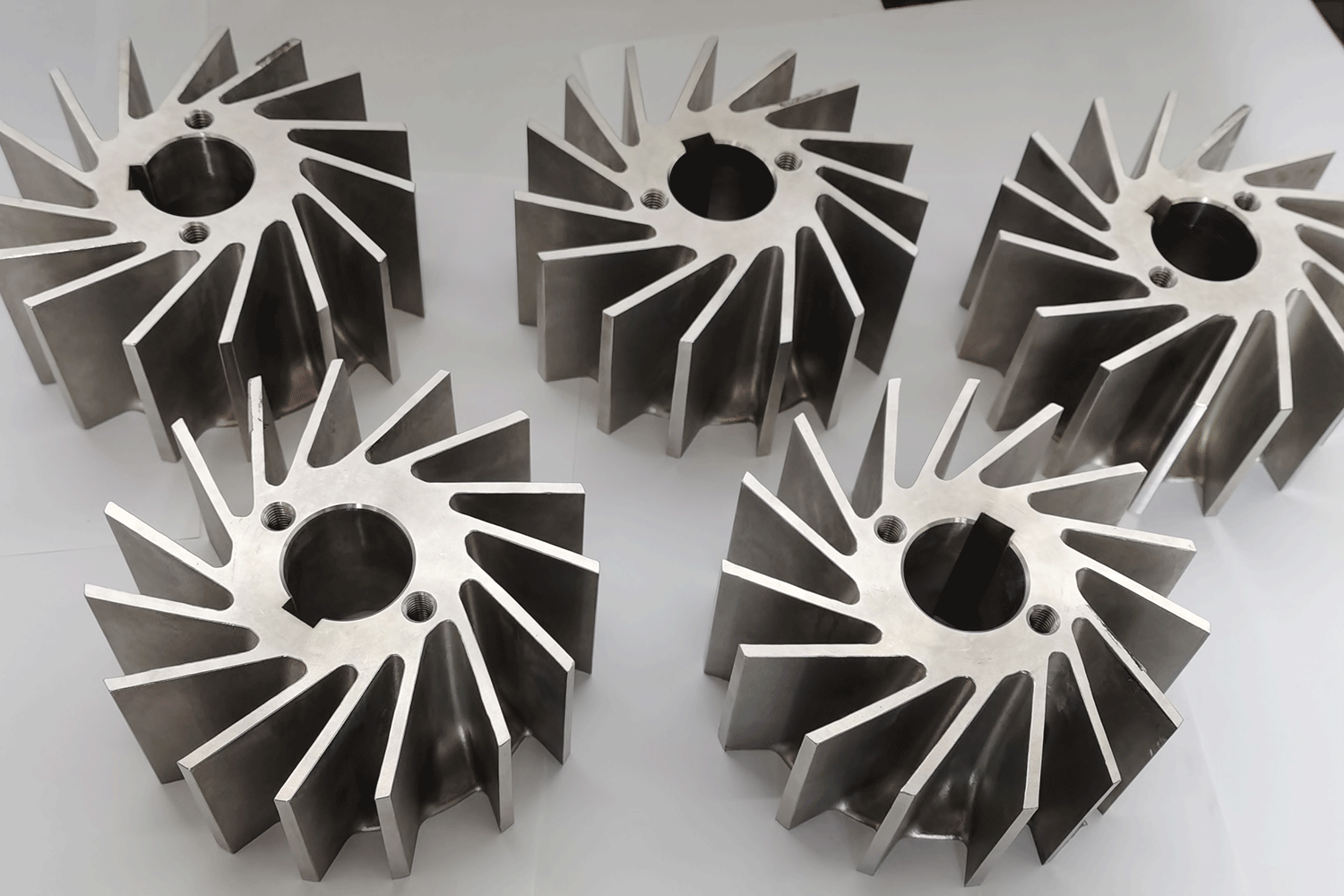
Austenitic stainless steel refers to stainless steel with an austenitic structure at room temperature. Austenitic stainless steel is one of the five classes of stainless steel by crystalline structure (along with ferritic, martensitic, duplex and precipitation hardened). In some areas, the austentite stainless steel is also called the 300 series stainless steel. When the steel contains about 18% Cr, 8%-25% Ni, and about 0.1% C, it has a stable austenite structure.
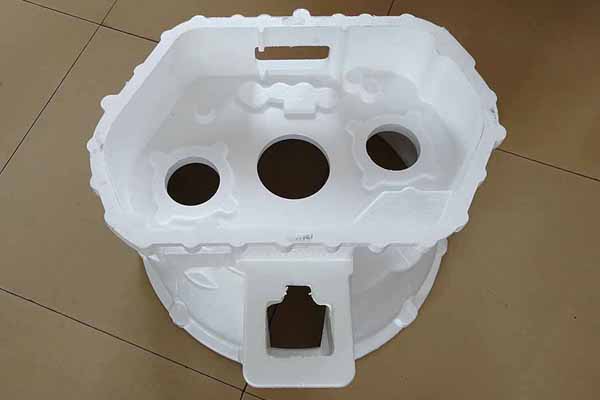
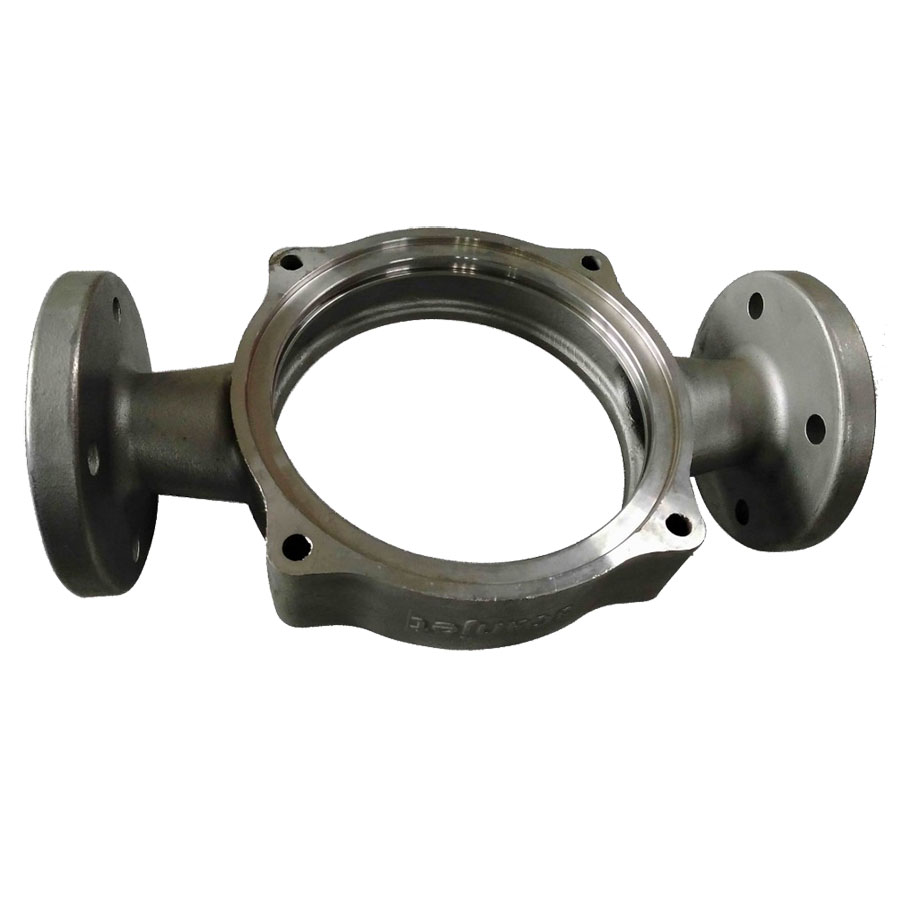
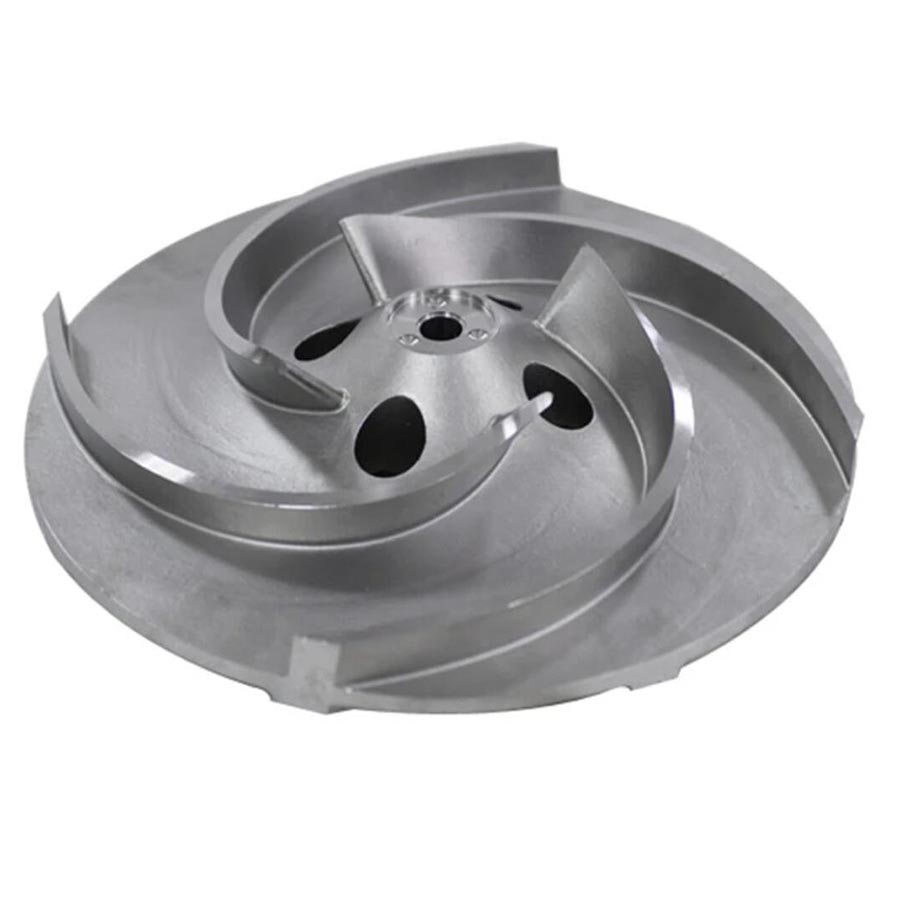
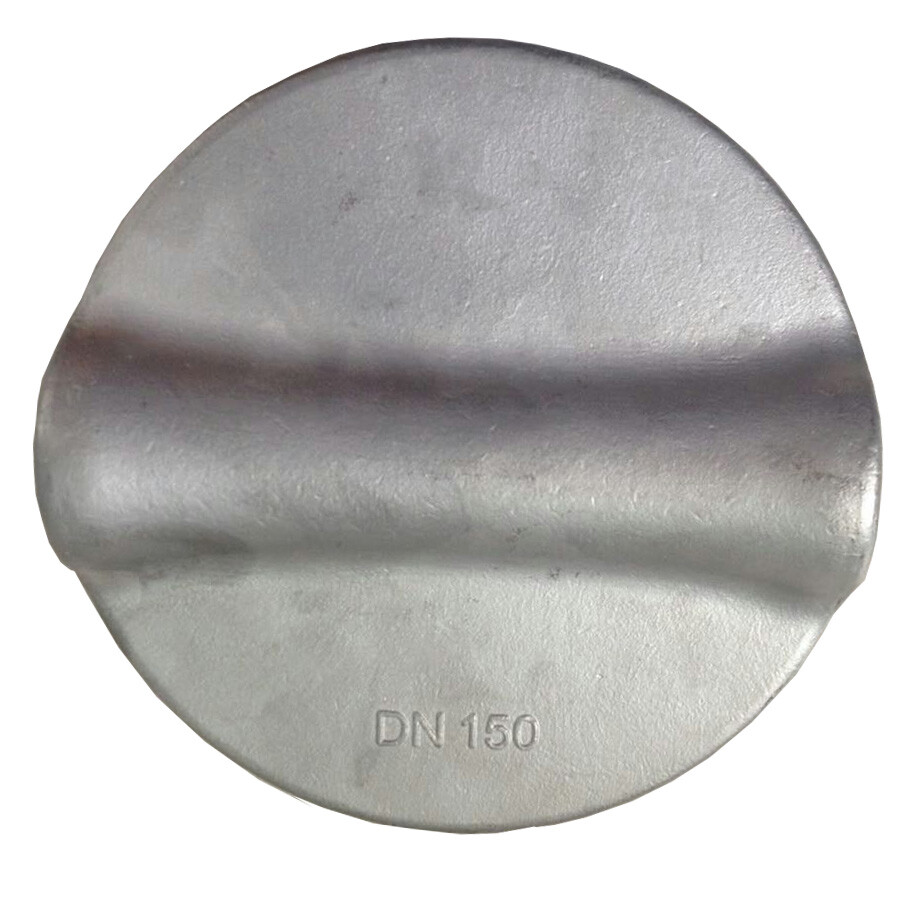
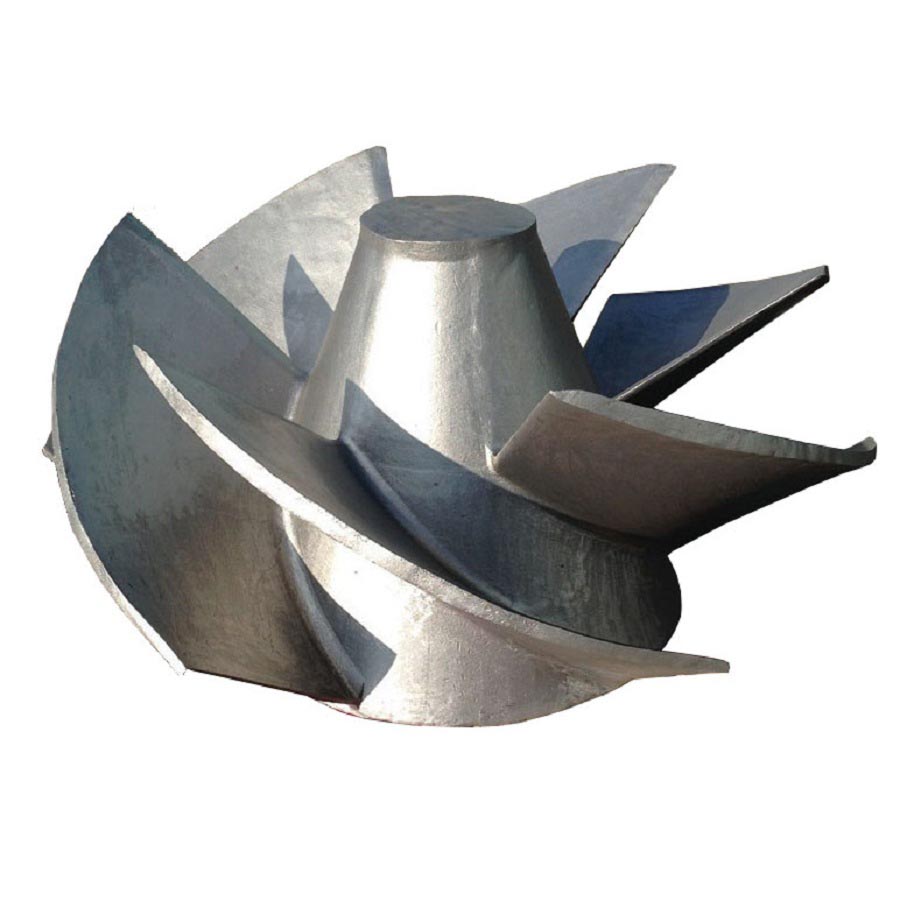
Typical Lost Foam Casting Components
Value Added Service of Lost Foam Casting
RMC provides a comprehensive line of lost foam equipment, including flask pouring, flask handling and flask compaction. Our line of foam bead processing equipment is recognized world wide as one of the leading ones.
- Engineering team whose members are focusing on metal casting field.
- Extensive experience with complex geometries parts
- A broad range of materials, including ferrous and non-ferrous alloys
- In-house CNC machining capabilities
- One stop solutions for castings and secondary process
- Consistent quality guaranteed and continuous improvement.
- Teamwork including toolmakers, engineers, foundryman, machinist and production technicians.