

Product Center
PRODUCTS
Contact Us
Add: No. 58, Lingshanwan Road, Huangdao, Qingdao, China
Phone: +86 186 6184 7678
Fax: +86 532 8687 1520
Email: info@rinborn.com
follow us:




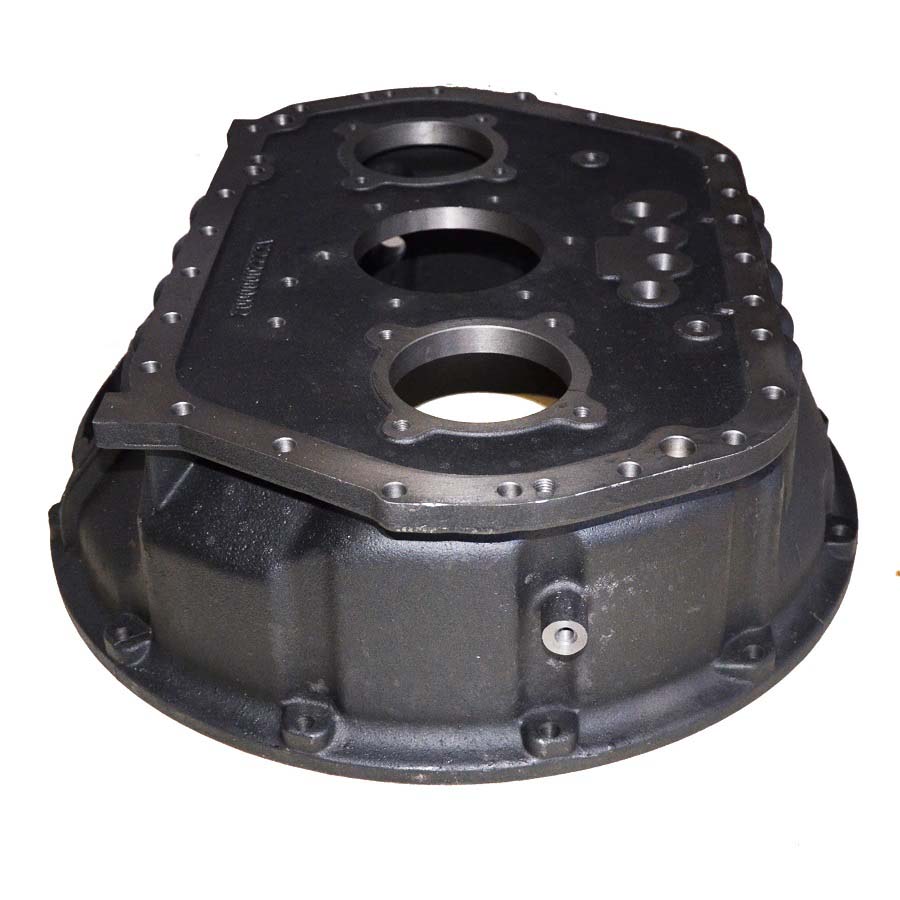
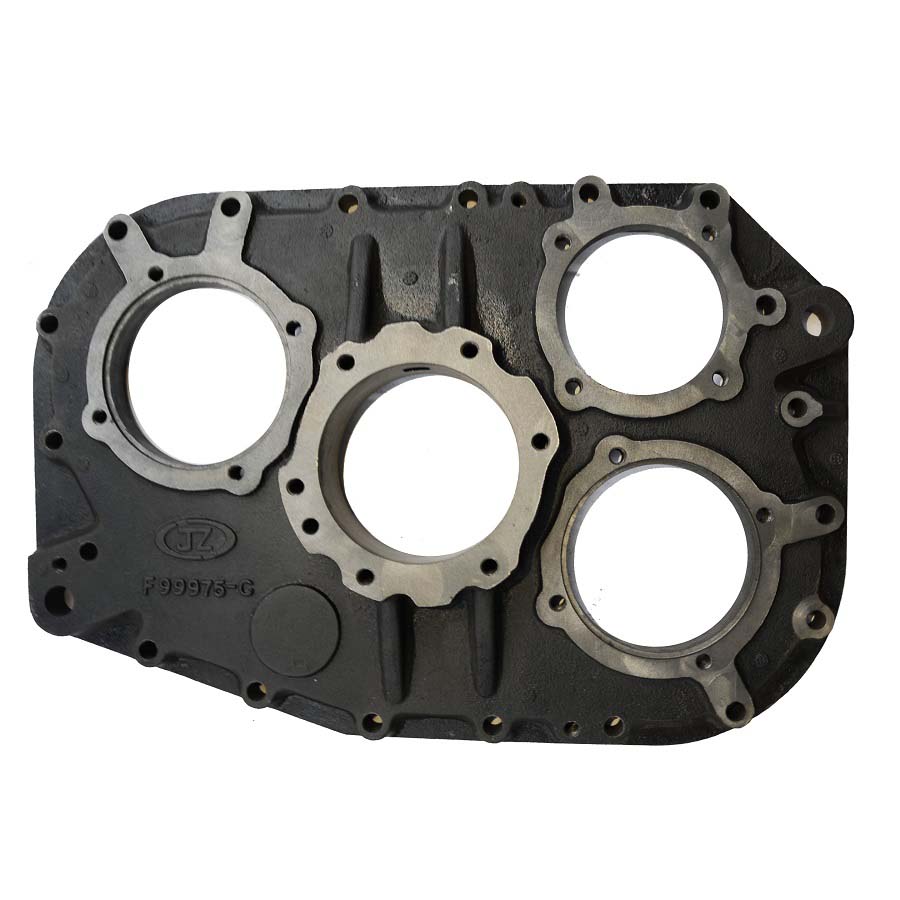
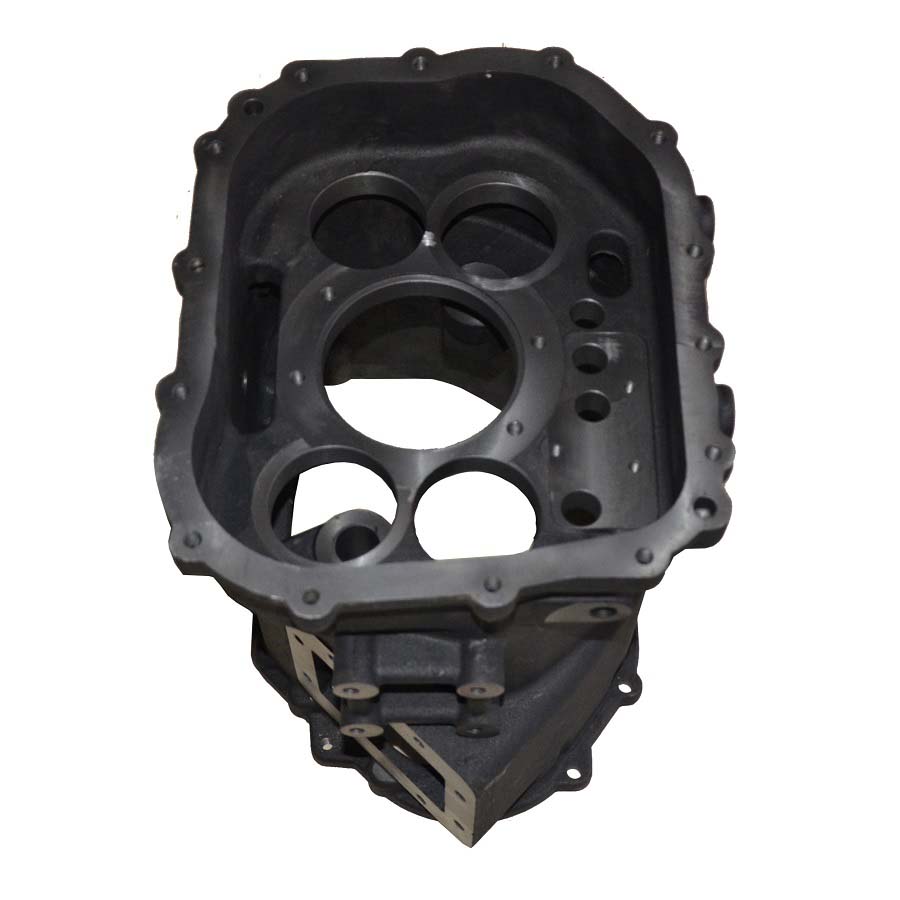
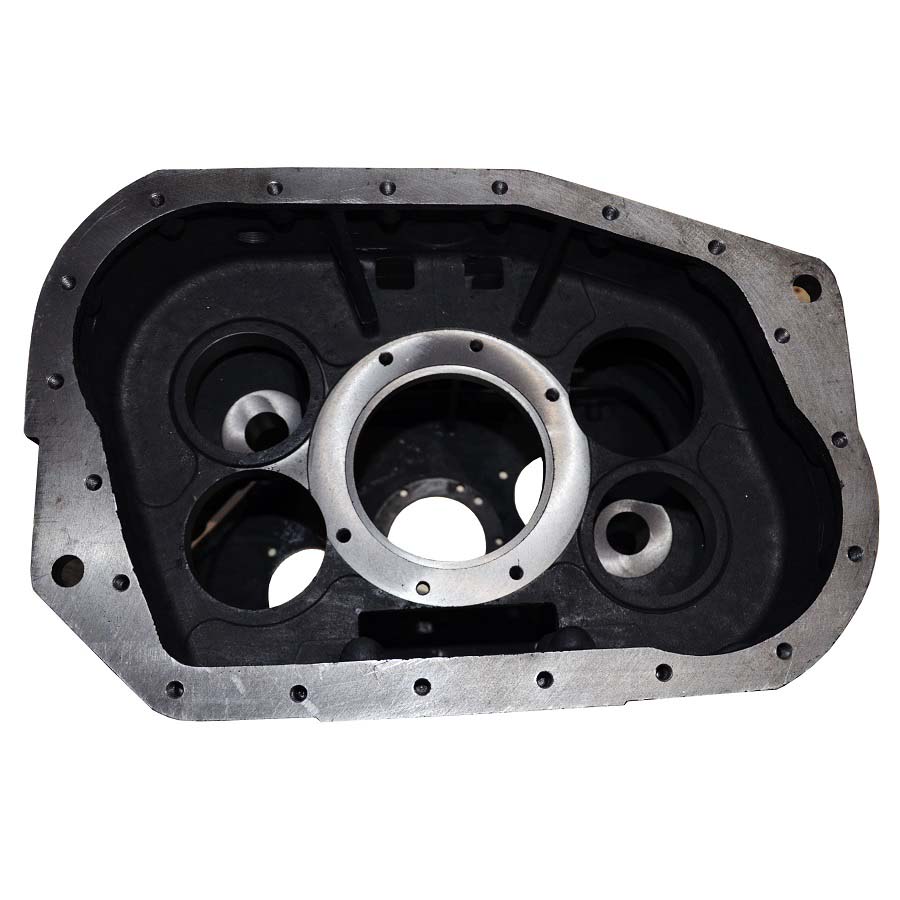
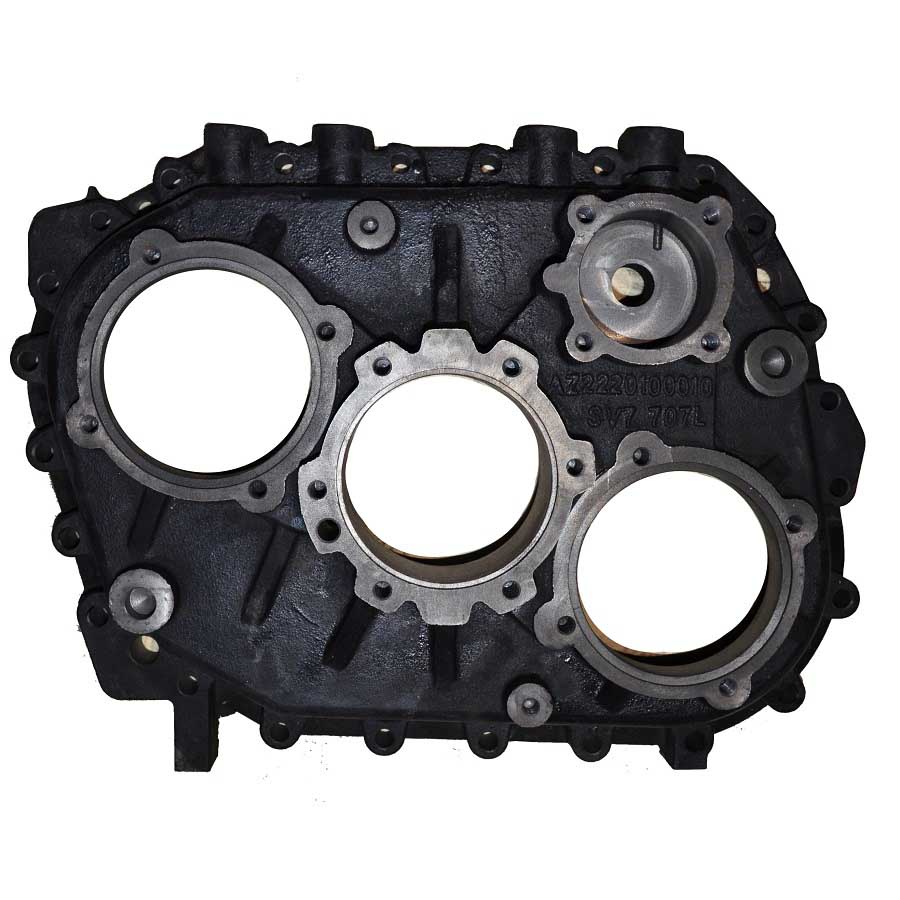
 Grey Iron Casting Truck Gearbox HousingMaterial: Cast Gray Iron GG25, EN-GJL-250 Process: Lost Foam Cast + CNC Machining Weight: 12.56 kg Application: Gearbox Housing of Heavy Duty Truck
- Grey Cast Iron Lost Foam Casting Truck PartMaterial: Gray Cast Iron GG25, EN-GJL-250 Process: Lost Foam Casting Weight: 9.80 kg Application: Heavy Duty Truck
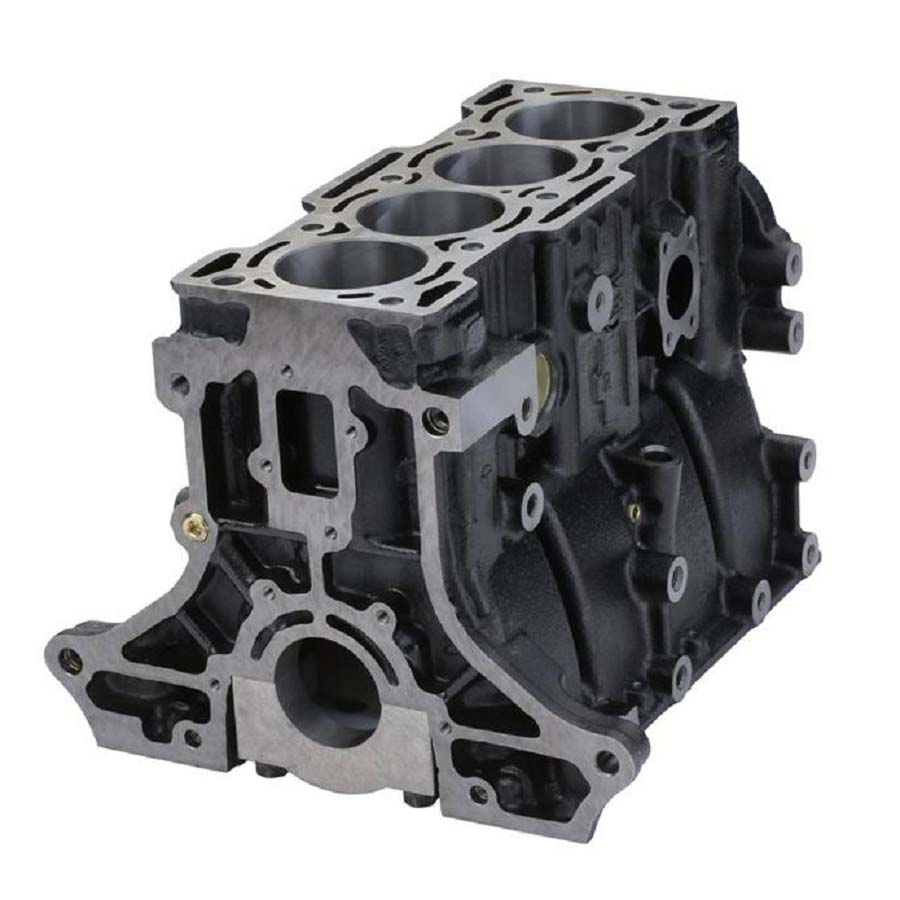
- Lost Foam Casting Engine BlockMaterial: Cast Gray Iron Process: Lost Foam Casting + CNC Machining Weight: 103 kg Application: Engine Block
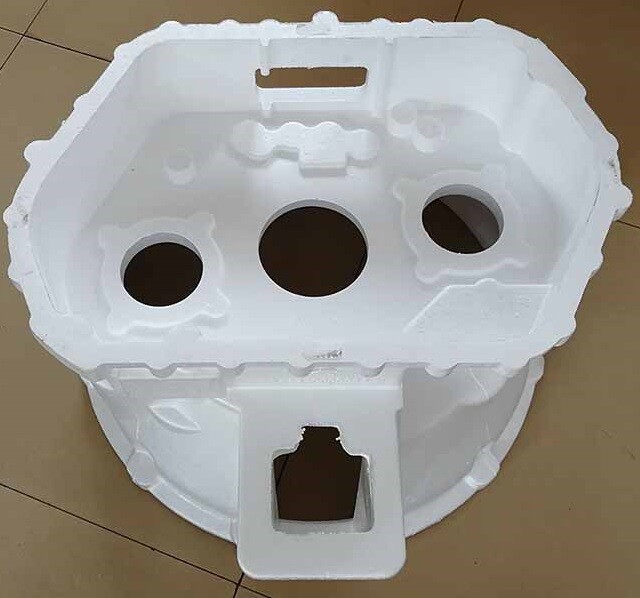
 Full Mold Casting FoundryCasting Process: Lost Foam Casting Metal: Cast Iron, Cast Steel. Application: Truck Spare Parts
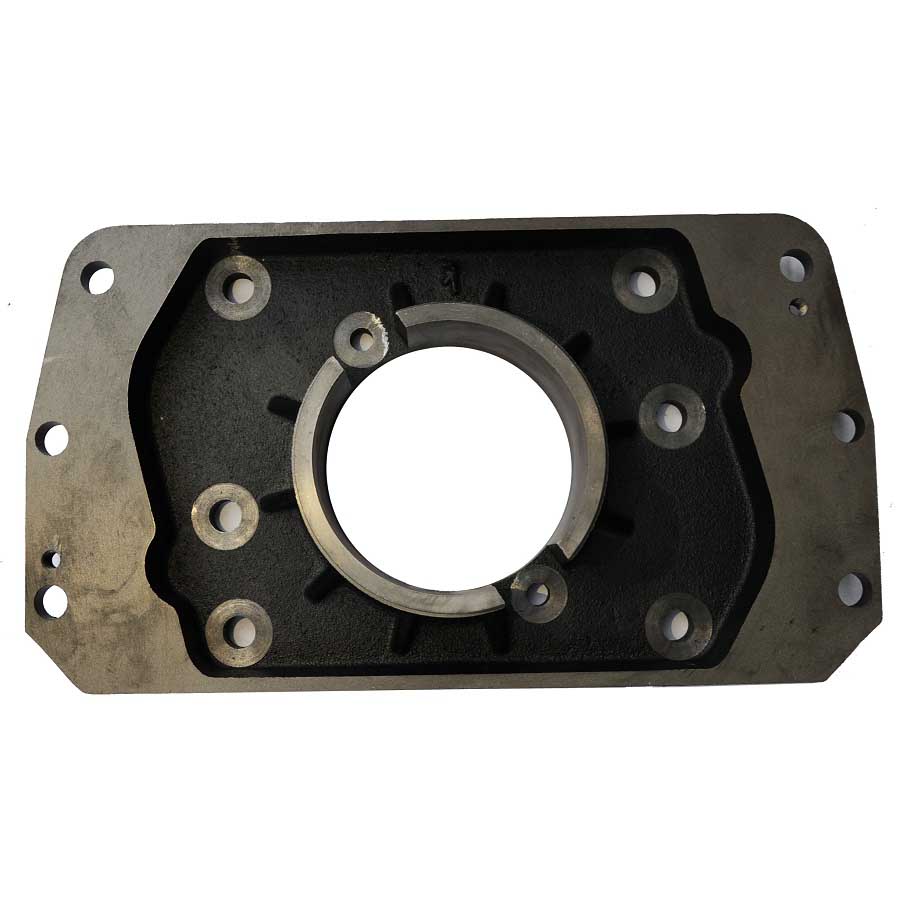
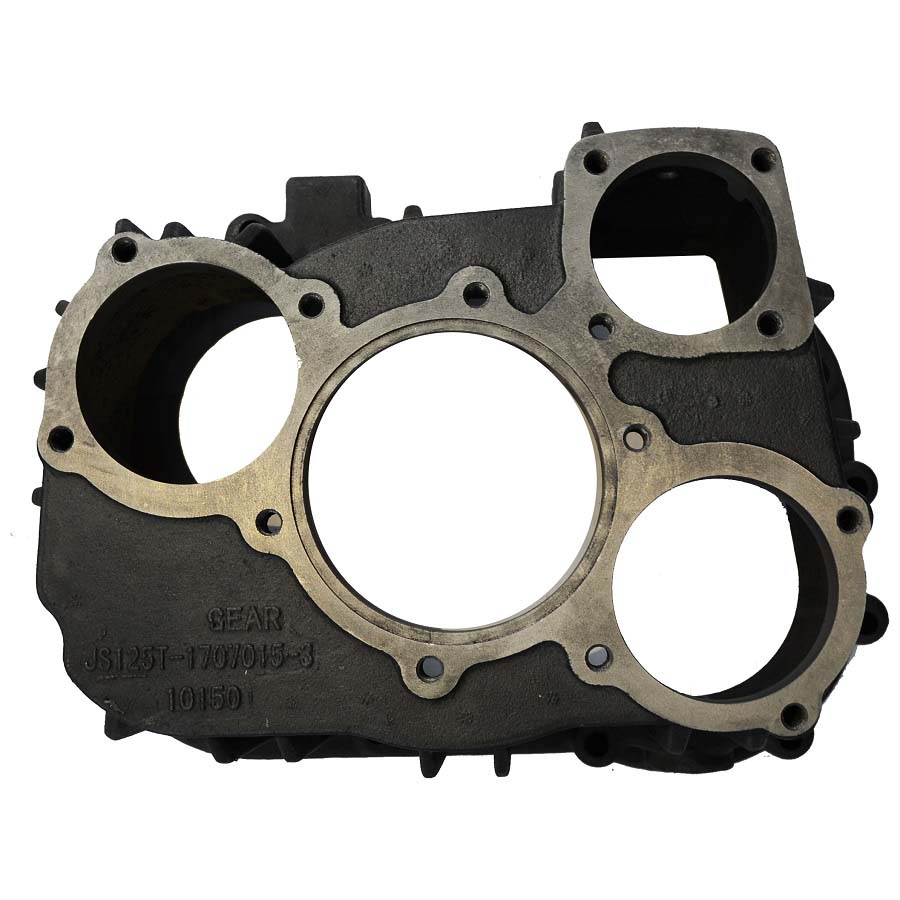
- Iron and Steel Lost Foam Casting FoundryMaterial: Gray Iron, Ductile Iron, Cast Steel, Stainless Steel Process: Lost Foam Casting + Precision Machining Weight: 4.60 kg Application: Transmission Gearbox Cover
- Gray and Ductile Iron Lost Foam Casting CompanyMaterial: Gray Iron, Ductile Iron (Nodular Iron) Process: Lost Foam Casting + Precision Machining Weight: 5.60 kg Application: Transmission Gearbox Cover
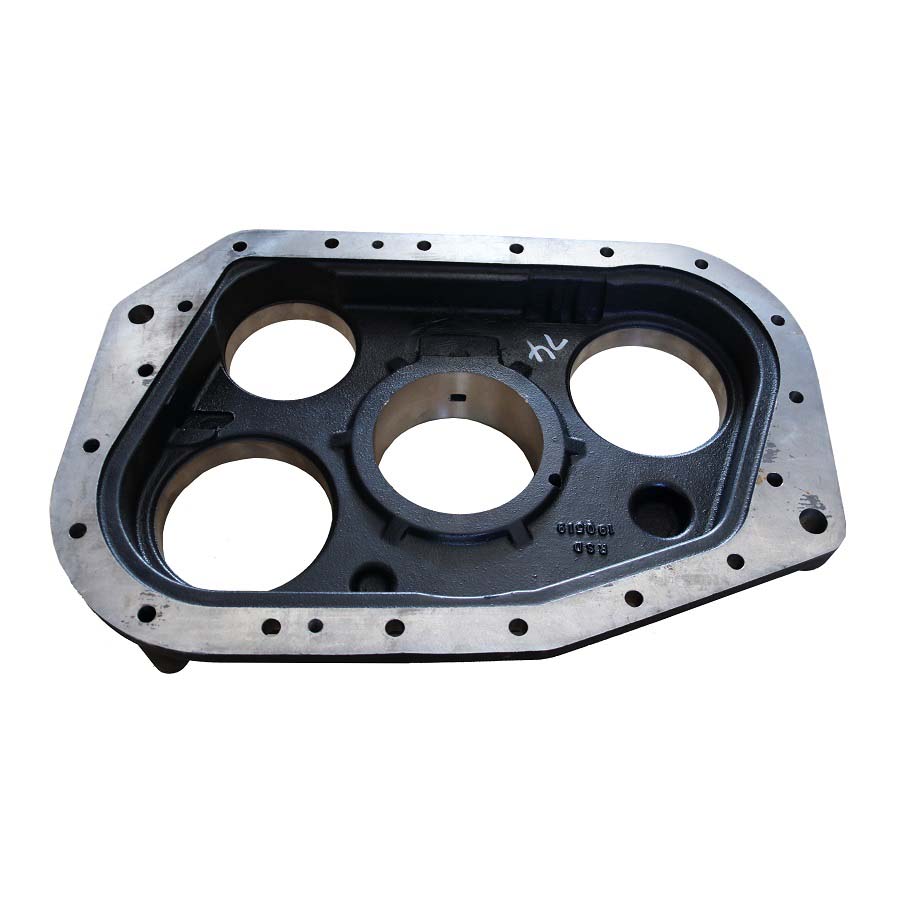
- Carbon Steel and Alloy Steel Lost Foam Casting ProductsMaterial: Carbon Steel, Alloy Steel, Cast Steel Process: Lost Foam Casting + Precision Machining Weight: 7.20 kg Application: Transmission Gearbox Cover
- Carbon and Alloy Steel Lost Foam Casting Parts in ChinaMaterial: Carbon Steel, Alloy Steel, Cast Steel Process: Lost Foam Casting + Precision Machining Weight: 6.20 kg Application: Gearbox Cover
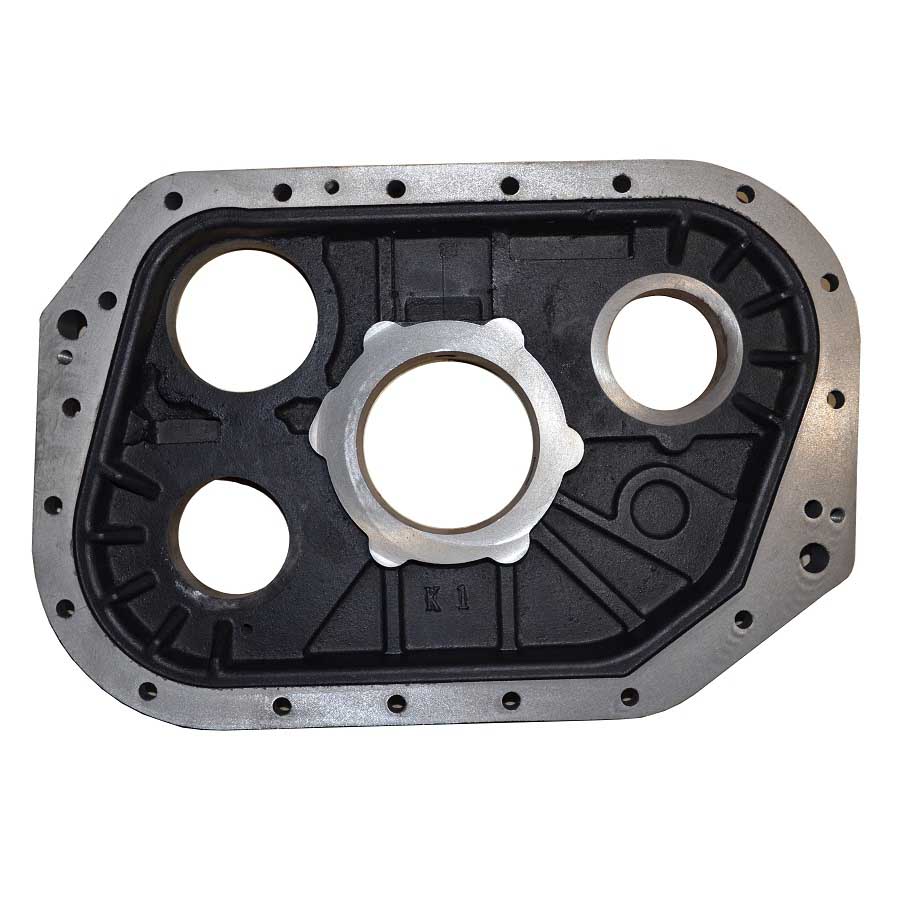
- Gray Iron Lost Foam Casting ComponentsMaterial: Gray Cast Iron Process: Lost Foam Casting Weight: 9.80 kg Application: Heavy Duty Truck
- Gray Iron Lost Foam Casting ManufacturerMaterial: Gray Cast Iron Process: Lost Foam Casting Weight: 11.60 kg Application: Heavy Duty Truck
- Lost Foam Casting ComponentsMaterial: Gray Iron, Nodular Iron, Steel Process: Lost Foam Casting + CNC Machining Weight: 8 kg Application: Heavy Duty Truck
- Lost Foam Casting CompanyMaterial: Gray Iron, Ductile Iron, Cast Steel Process: Lost Foam Casting + Machining Weight: 8.70 kg Application: Heavy Truck


{item.title}
{item.goods_jz89qc62or}