

Vacuum Casting (V Process) Casting
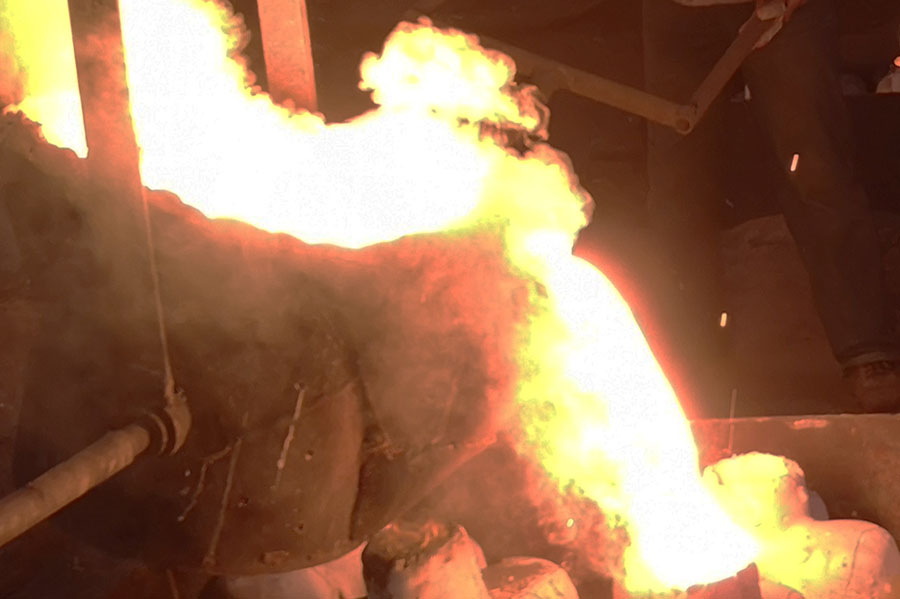
Vacuum casting process, also called V process casting, Negative pressure casting, V-Process casting or vacuum moulding casting, is different from the typical investment casting due to the technique that is used to create these metal parts. The process begins by lacing a two piece mold in a vacuum chamber. The vacuum then draws the molten metal into the mold.
After molten metal pouring, the casting is solidified and the mold is removed in order to get the final casting part. Here at RMC, we utilize vacuum casting methods to produce metal casting parts that range inweight from a few kilograms up to hundreds of kilograms. Our experience in the vacuum casting method guarantee that we can supply net shape or near net shape parts that require little or no secondary process.
The following metal could be cast by vacuum mould casting:
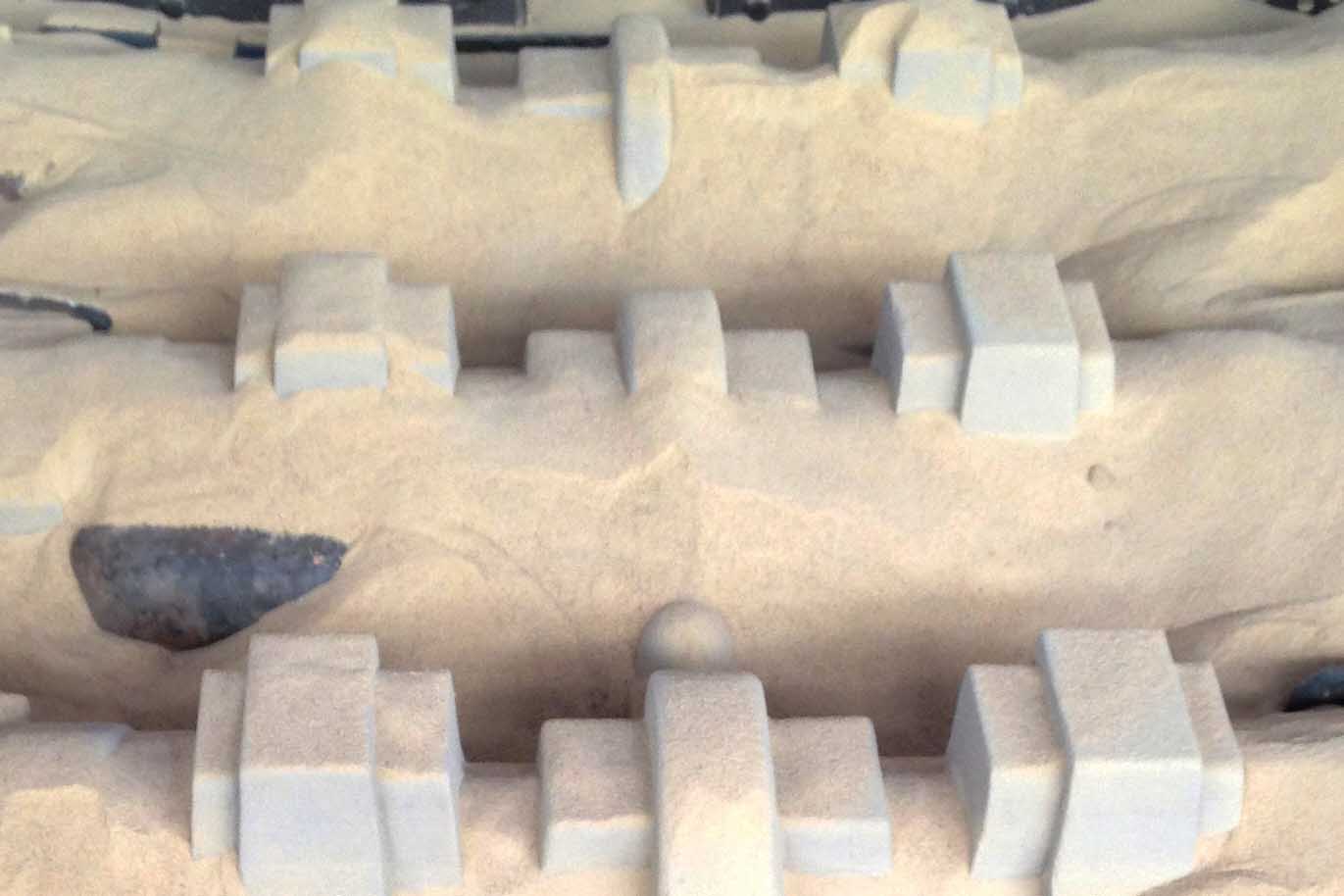
Vacuum Casting Patterns
V Process Casting Procedures
- The pattern is covered tightly by a thin sheet of plastic.
- A flask is placed over the coated pattern and is filled with dry sand without bind.
- The second flak is then placed on top of the sand, and a vacuum draws the sand so that the pattern can be tight and withdrawn. Both halves of the mold are made and assembled in this way.
- During pouring, the mold remains under a vacuum but the casting cavity does not.
- When the metal has solidified, the vacuum is turned off and the sand falls away, releasing the casting.
- Vacuum molding produces casting with high-quality detail and dimensional accuracy.
- It is especially well suited for large, relatively flat castings.
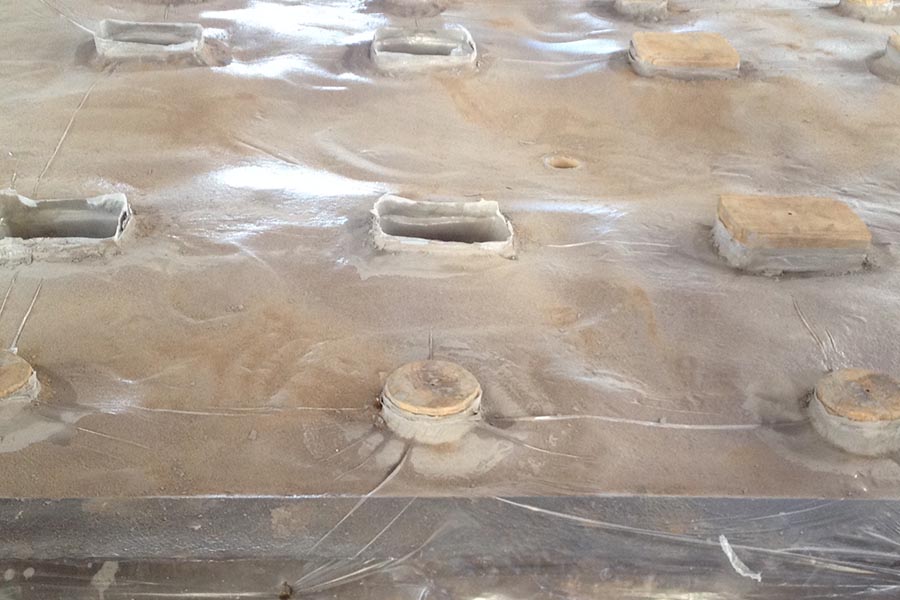
Casting Mould Making
The Advantages of V-Process Casting
- Easy recovery of the sand because the binders are not used
- Sand does not require mechanical reconditioning.
- Good air permeability because there is no water is mixed with sand, therefore less casting defects.
- More suitable for large scale castings
- Cost effective, especially for large castings.
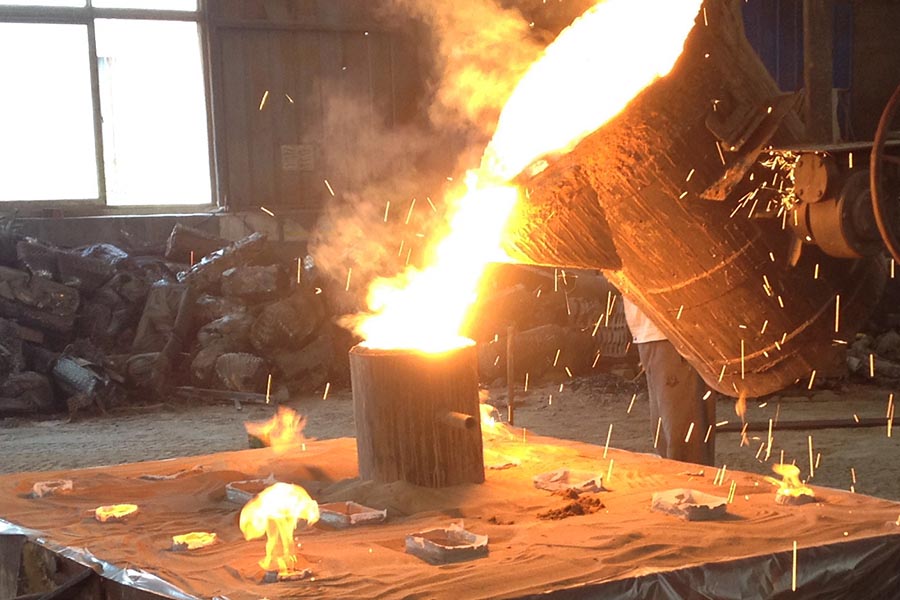
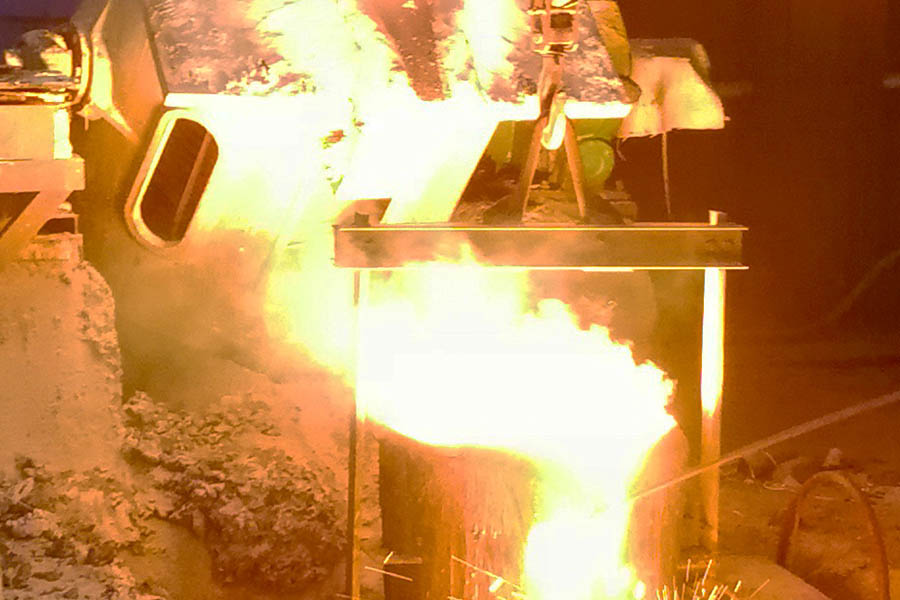
Molten Metal Pouring
Vacuum Casting Gallery
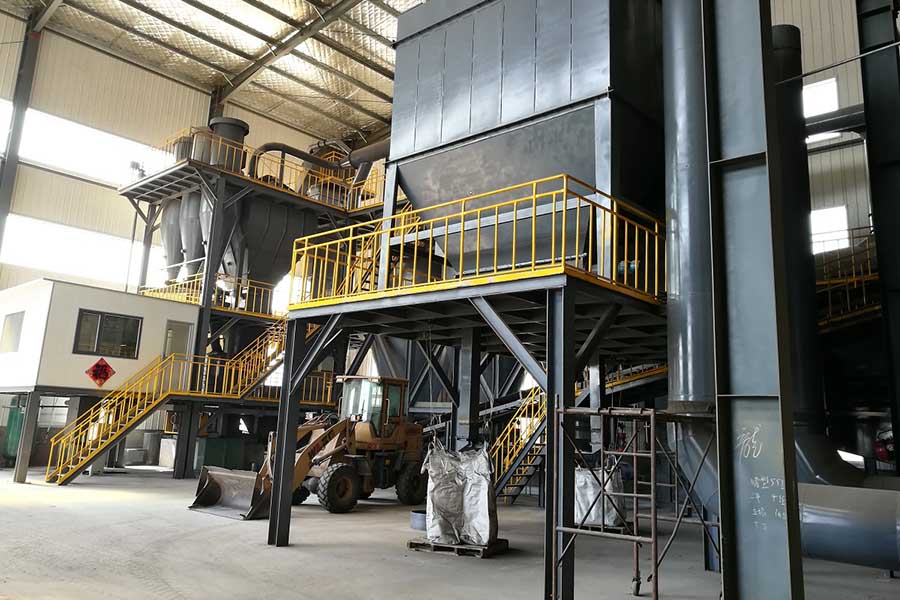
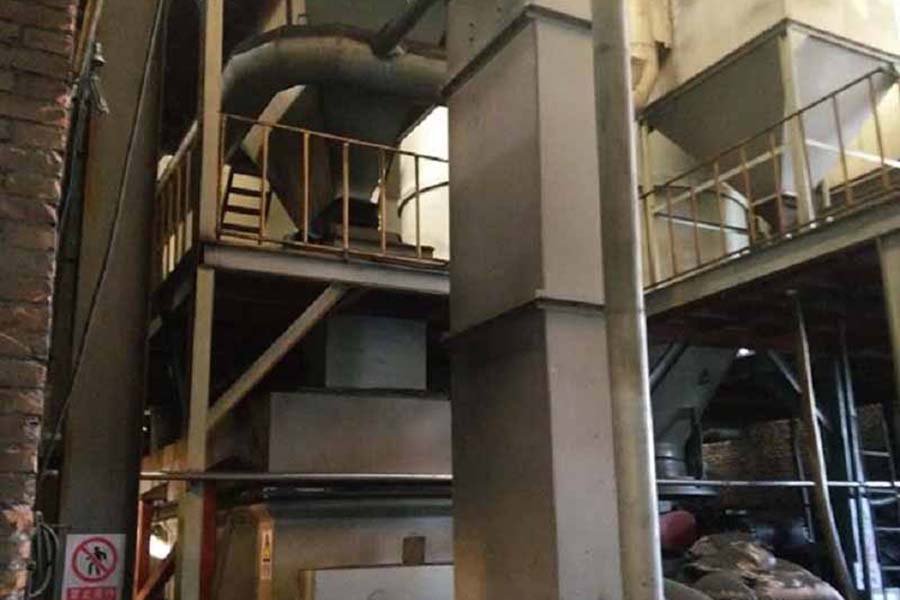
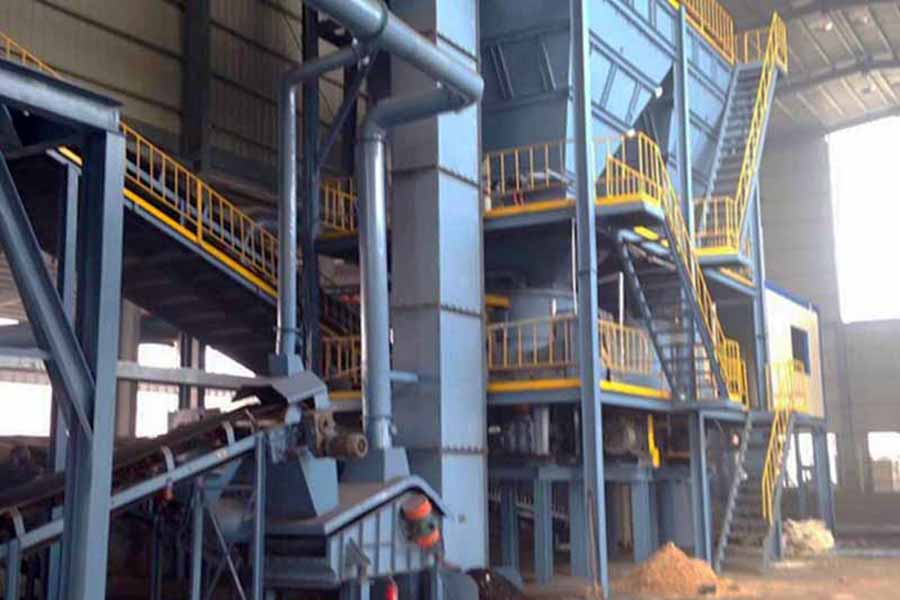
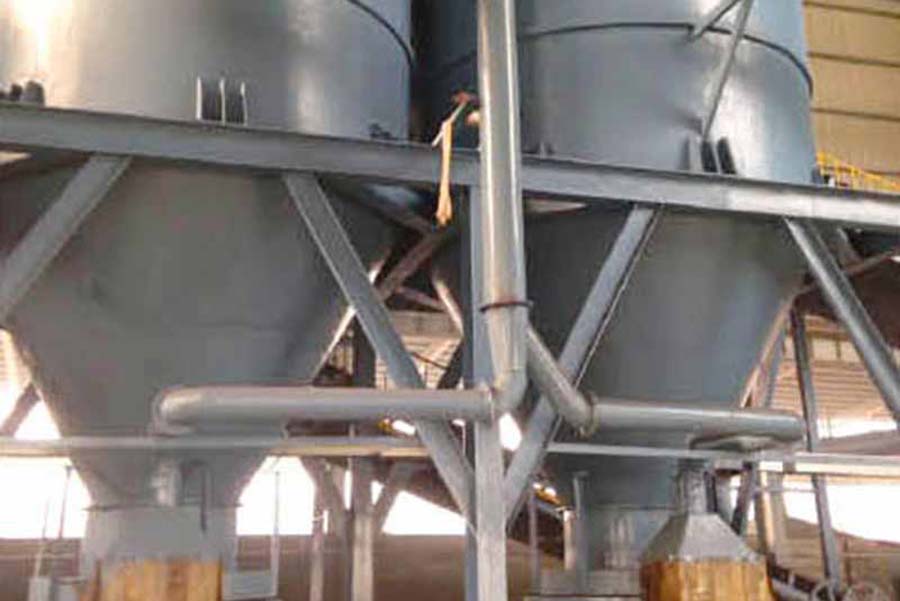
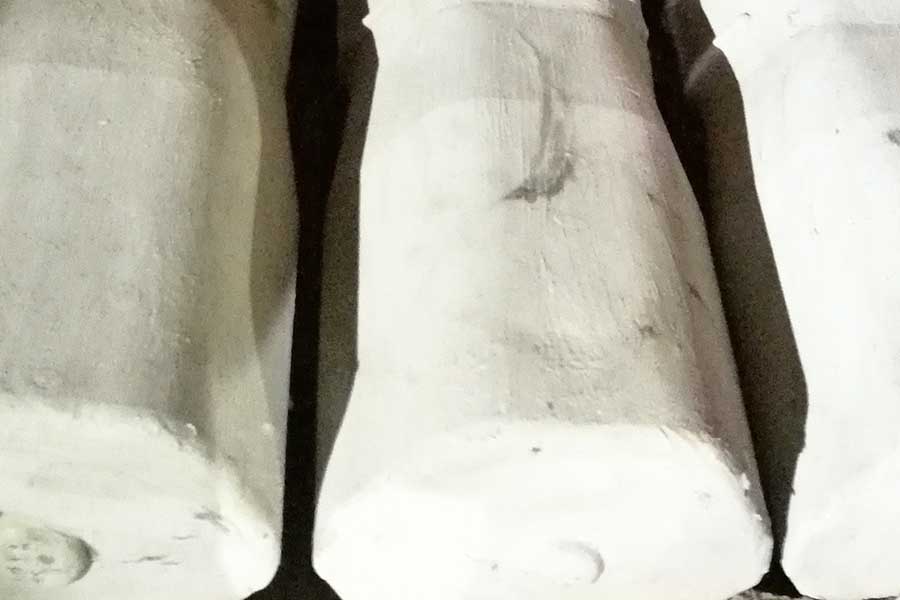
 Sand Processing Equipment
- Sand Processing Equipment
- Sand Processing Equipment
 Sand Processing Equipment
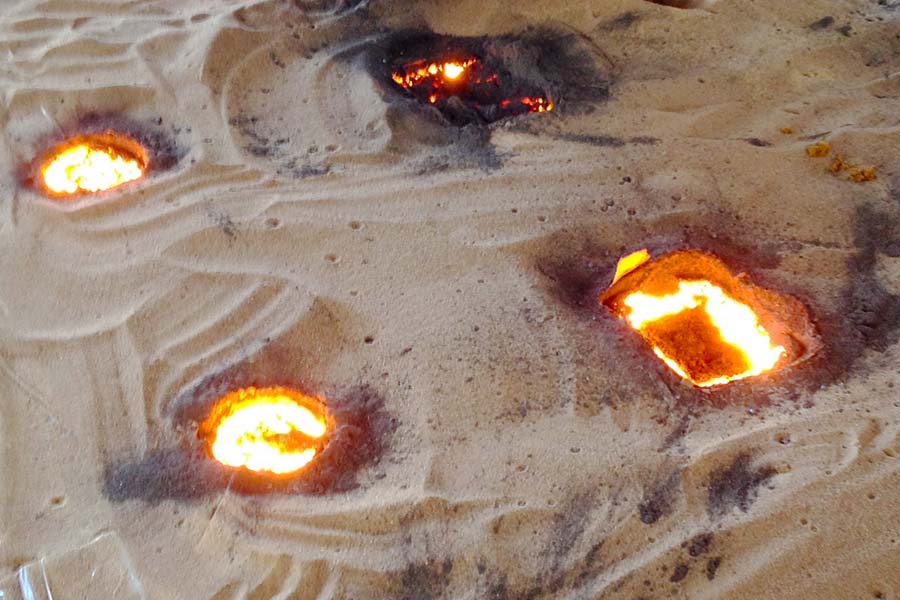
- Cooling and Solidification
 Molten Metal Pouring
- Sand Cores
- Molten Metal Pouring
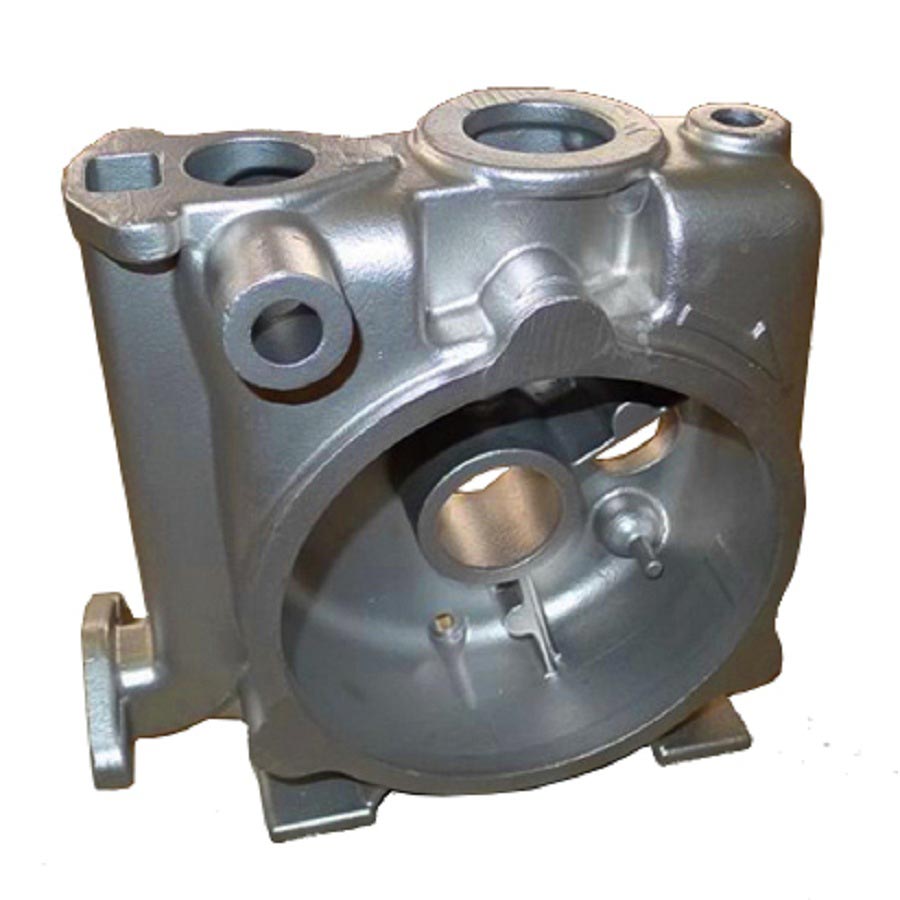
Typical Vacuum Casting Components
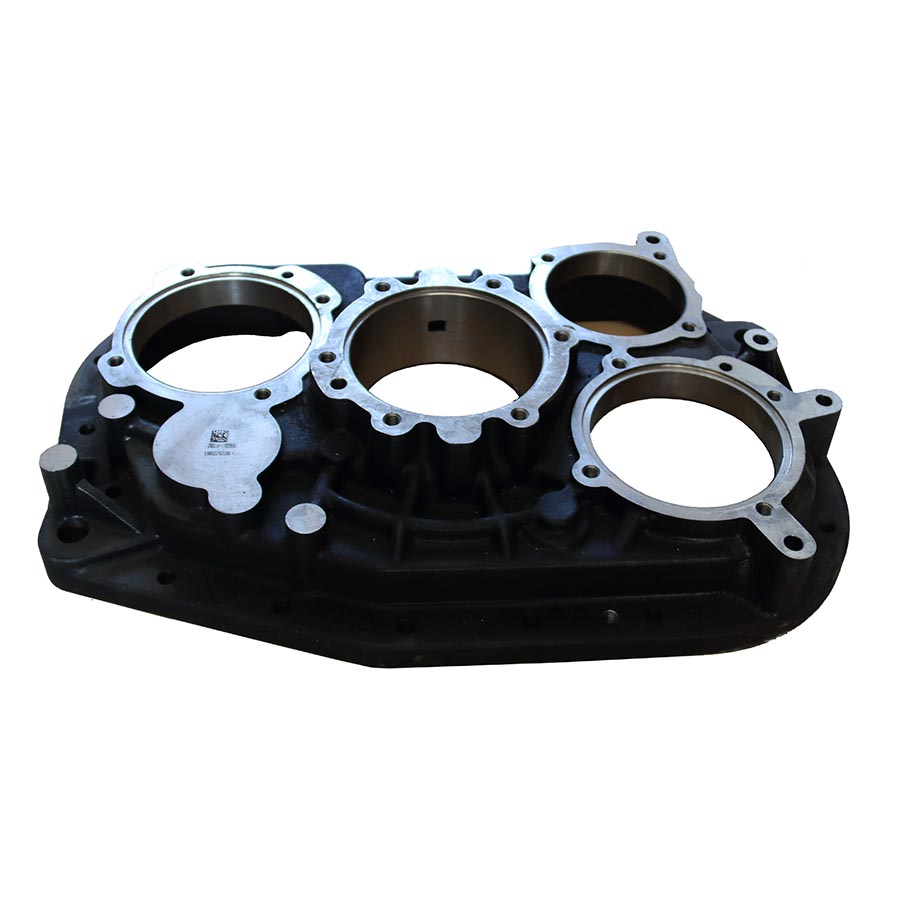


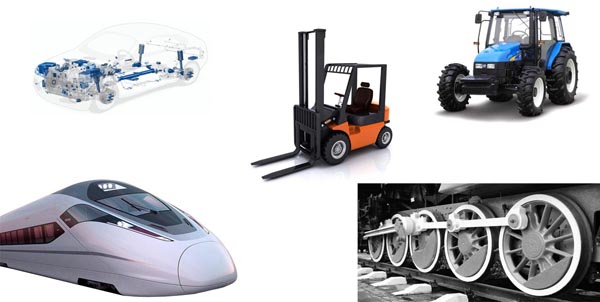
Vacuum Casting Parts' Applications
Parts made by vacuum casting are utilized to cast a wide variety of items, including high quality, high performance industrial parts of complex structures. The application of the vacuum casting parts covers a wide range of industries, in our company they are typically used in the following areas:
- Rail Trains
- Heavy Duty Trucks
- Automotive
- Construction Equipment
- Logistics Equipment
- Agricultural Equipment
- Hydraulics
- Engine Systems
V-Type Casting Value Added Services
There are several reasons to choose RMC as your source for vacuum castings, these include:
- Engineering team whose members are focusing on metal casting field.
- Extensive experience with complex geometries parts
- A broad range of materials, including ferrous and non-ferrous alloys
- Precision CNC machining
- One-stop solutions for castings and secondary process
- Consistent quality guaranteed and continuous improvement.
- Teamwork including toolmakers, engineers, foundryman, machinist and production technicians.
Request a quote today on vacuum casting for your metal castings, or contact us to get more information you need.
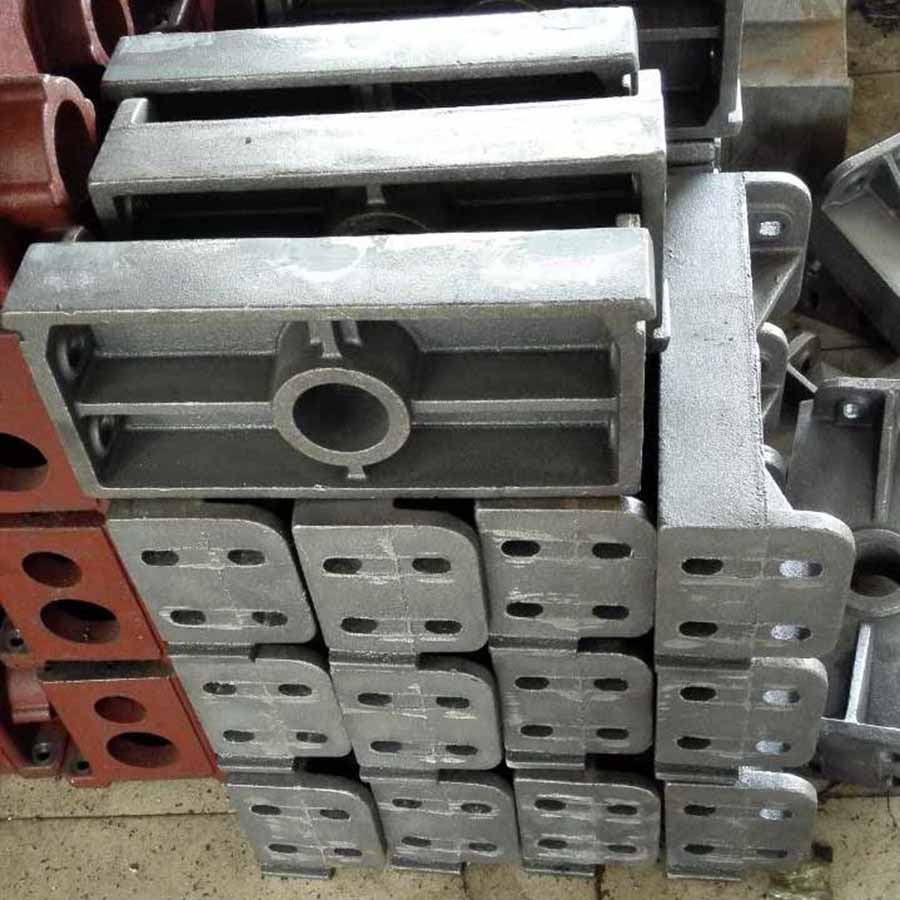
Finished Vacuum Castings