

Product Center
Contact Us
Add: No. 58, Lingshanwan Road, Huangdao, Qingdao, China
Phone: +86 186 6184 7678
Fax: +86 532 8687 1520
Email: info@rinborn.com
follow us:




Related products
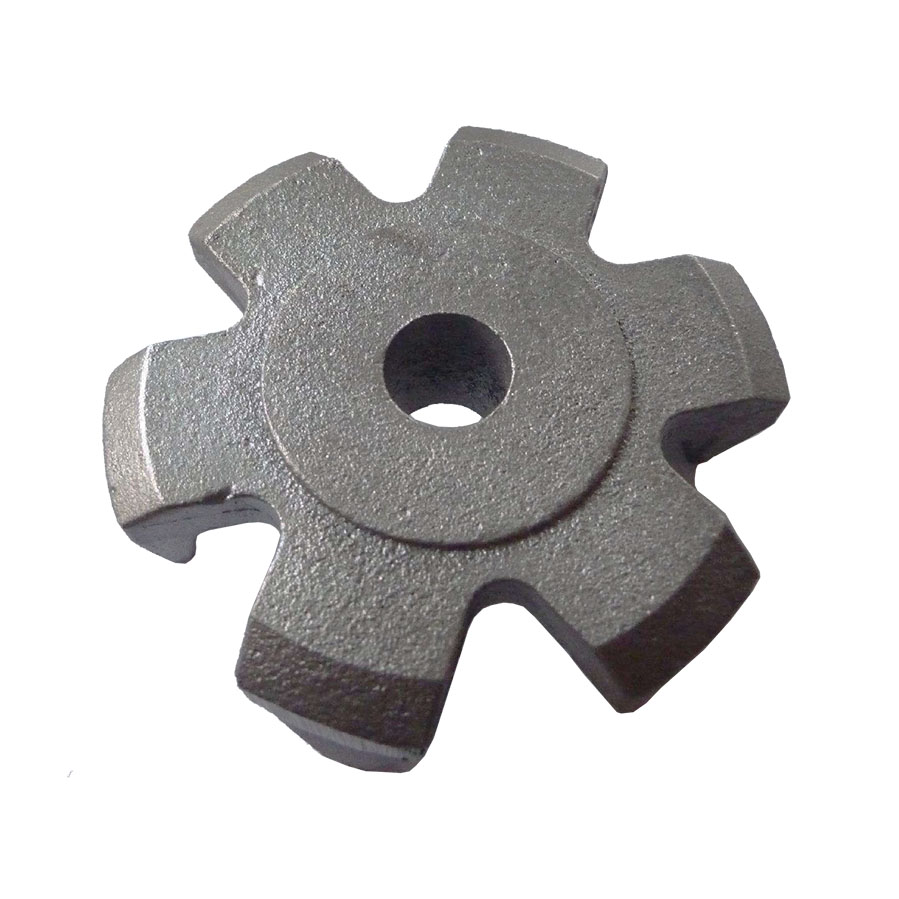
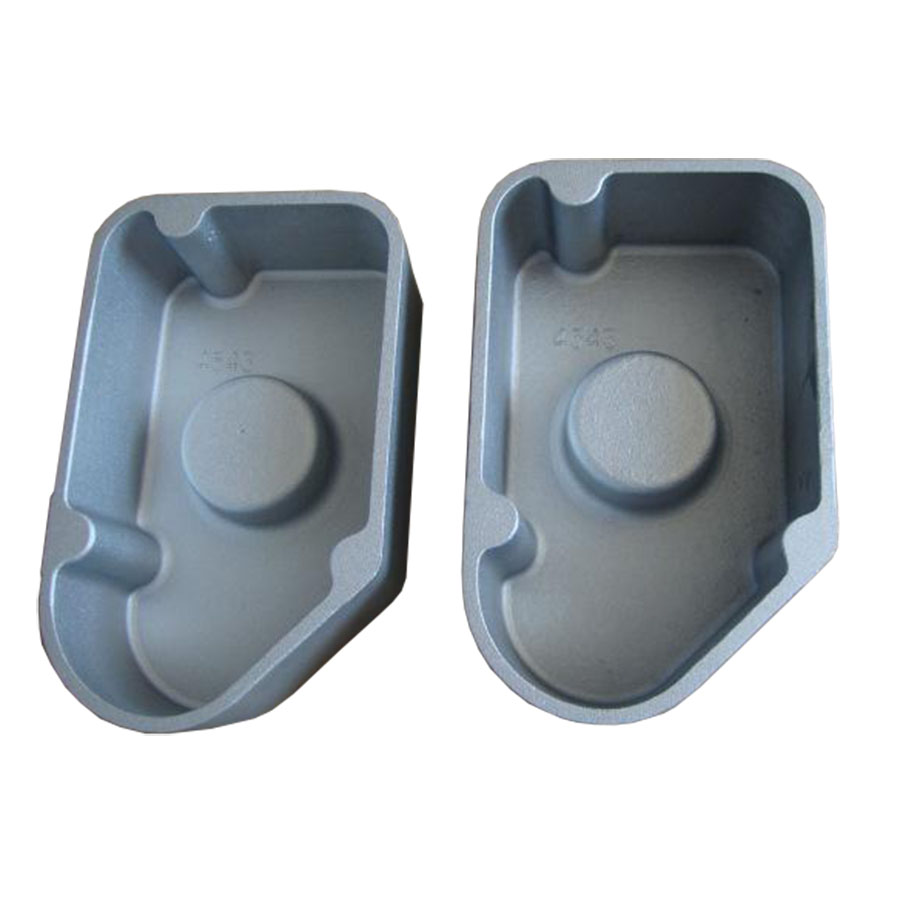
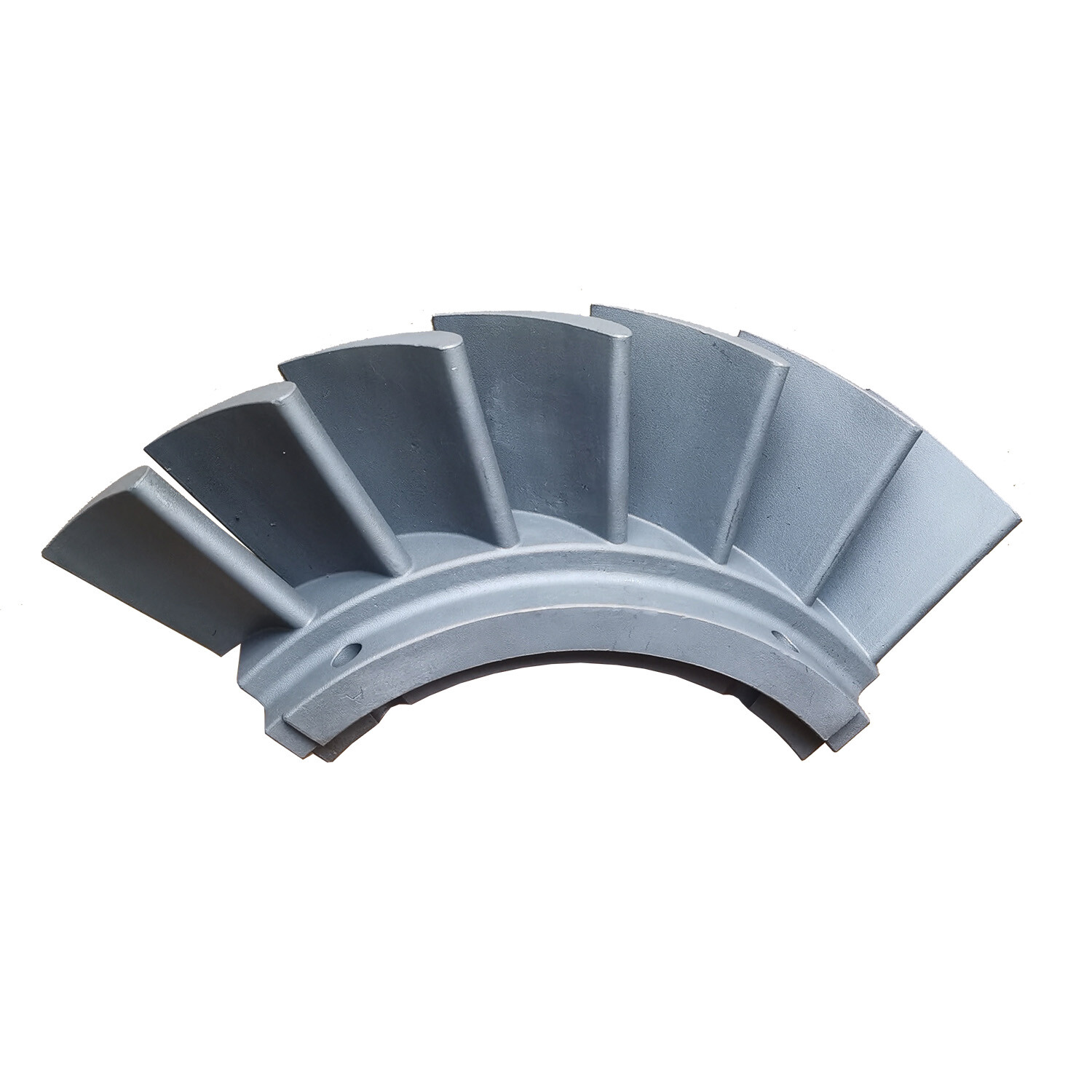
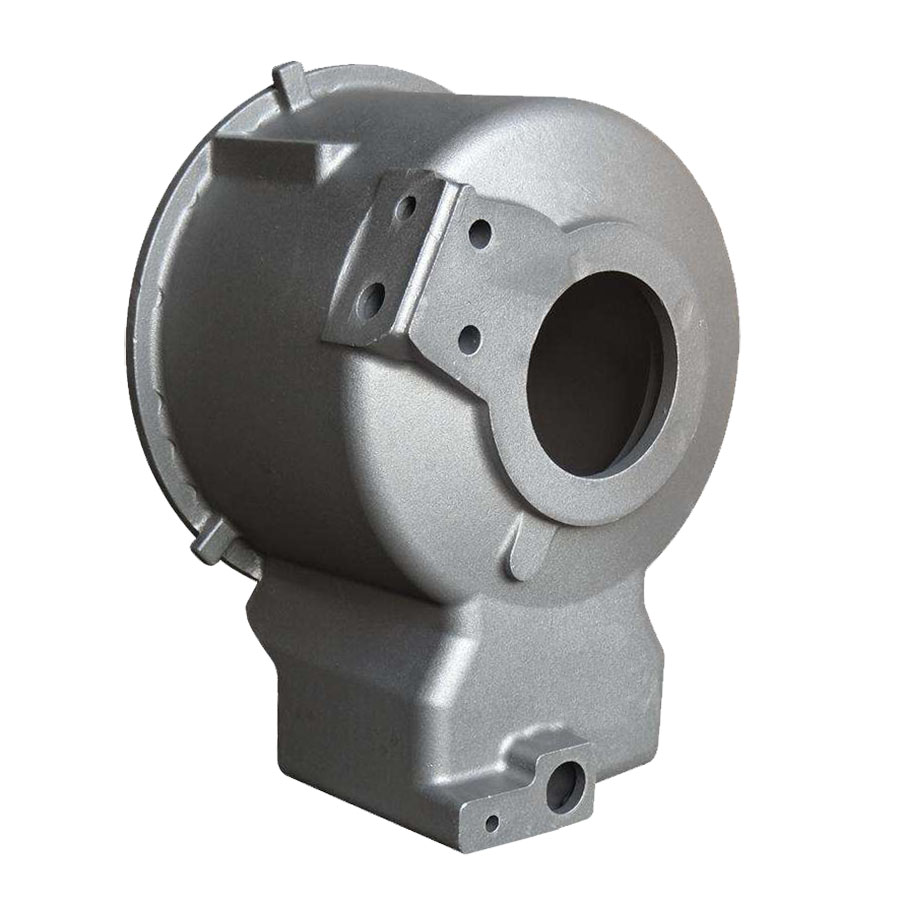
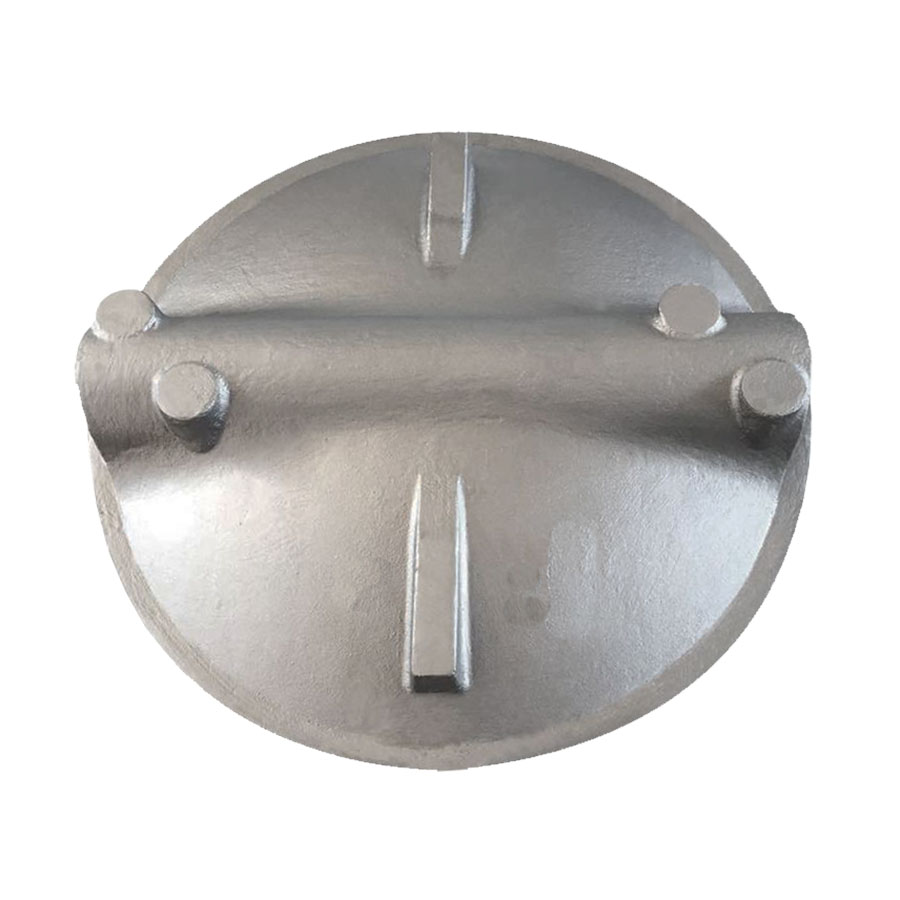
China Steel Lost Wax Investment Casting Foundry
Process: Silica Sol or Water Glass Lost Wax Casting
Weight: 1.20 kg
Application: Butterfly Valve Disc
Description
As a steel lost wax investment casting foundry in China, the stainless steel we are using for lost wax investment casting mainly include (but not limited to): Stainless Steel: AISI 304, AISI 304L, AISI 316, AISI 316L, 1.4404, 1.4301, super duplex stainless steel and other stainless steel grade.
▶ Ferrous and Non-ferrous Materials for Investment Casting, Lost Wax Casting Process:
Gray Iron: HT150, HT200, HT250, HT300, HT350; EN-GJL-100, EN-GJL-150, EN-GJL-200, EN-GJL-250, EN-GJL-300, EN-GJL-350; GG10~GG40.
Ductile Iron or Nodular Iron: GGG40, GGG50, GGG60, GGG70, GGG80; EN-GJS-400-18, EN-GJS-40-15, EN-GJS-450-10, EN-GJS-500-7, EN-GJS-600-3, EN-GJS-700-2, EN-GJS-800-2; QT400-18, QT450-10, QT500-7, QT600-3, QT700-2, QT800-2;
Carbon Steel: AISI 1020 - AISI 1060, C30, C40, C45.
Steel Alloys: ZG20SiMn, ZG30SiMn, ZG30CrMo, ZG35CrMo, ZG35SiMn, ZG35CrMnSi, ZG40Mn, ZG40Cr, ZG42Cr, ZG42CrMo...etc on request.
Stainless Steel: AISI 304, AISI 304L, AISI 316, AISI 316L, 1.4401, 1.4301, 1.4305, 1.4307, 1.4404, 1.4571, duplex stainless steel and other stainless steel grade.
Brass, Red Copper, Bronze or other Copper-based alloy metals: ZCuZn39Pb3, ZCuZn39Pb2, ZCuZn38Mn2Pb2, ZCuZn40Pb2, ZCuZn16Si4
Other Materials as per your unique requirements or according to ASTM, SAE, AISI, ACI, DIN, EN, ISO, and GB standards
▶ Capabilities of Steel Investment Casting Foundry
Max Size of Steel Castings: 1,000 mm × 800 mm × 500 mm
Weight Range of Steel Castings: 0.5 kg - 100 kg
Steel Casting Annual Capacity: 2,000 tons
Bond Materials for Shell Building: Silica Sol, Water Glass and their mixtures.
Tolerances: On Request or According to ISO 8062
▶ Main Production Procedure of Steel Lost Wax Casting:
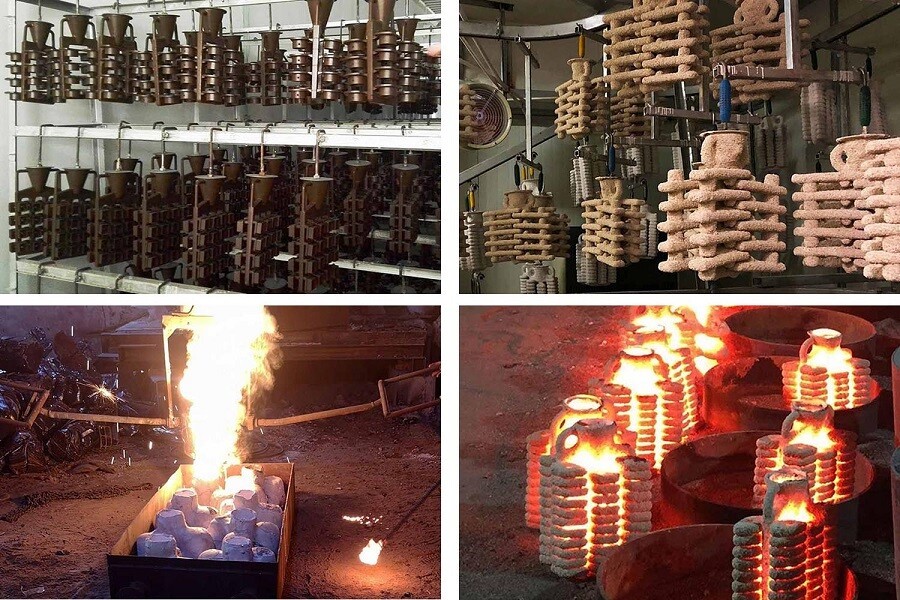
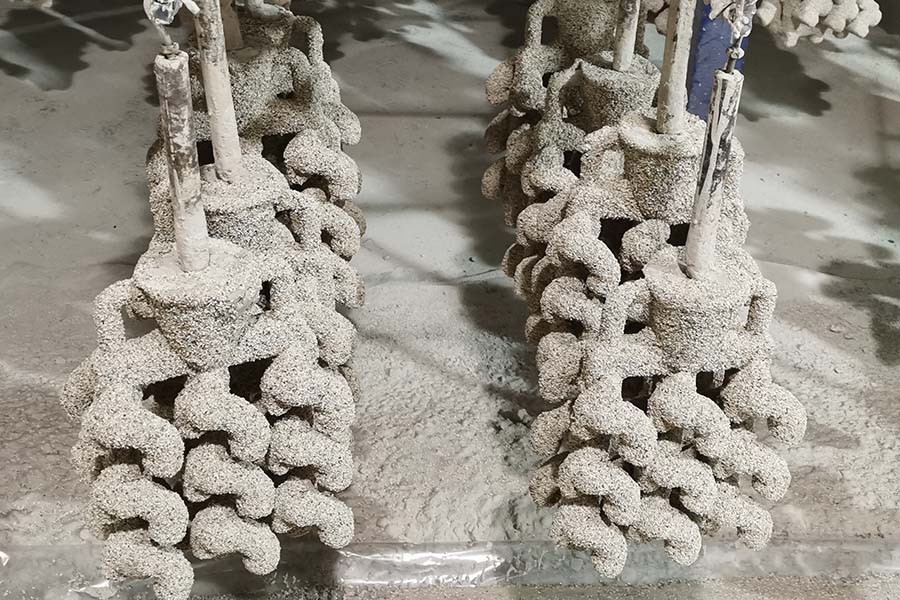
Patterns & Tooling Design → Metal Die Making → Wax Injection → Slurry Assembly → Shell Building → De-Waxing → Chemical Composition Analysis → Melting & Pouring → Cleaning, Grinding & Shot Blasting → Post Processing or Packing for Shipment
▶ Inspecting Lost Wax Castings
Spectrographic and manual quantitative analysis
Metallographic analysis
Brinell, Rockwell and Vickers hardness inspection
Mechanical property analysis
Low and normal temperature impact testing
Cleanliness inspection
UT, MT and RT inspection
▶ Post-Casting Process
Deburring & Cleaning
Shot Blasting / Sand Peening
Heat Treatment: Normalization, Quench, Tempering, Carburization, Nitriding
Surface Treatment: Passivation, Anodizing, Electroplating, Hot Zinc Plating, Zinc Plating, Nickel Plating, Polishing, Electro-Polishing, Painting, GeoMet, Zintec.
CNC Precision Machining: Turning, Milling, Lathing, Drilling, Honing, Grinding.
▶ Advantages of Steel Investment Casting Components:
Excellent and smooth surface finish
Tight dimensional tolerances.
Complex and intricate shapes with design flexibility
Capability to cast thin walls therefore a lighter casting component
Wide selection of cast metals and alloys (ferrous and non-ferrous)
Draft is not required in the molds design.
Reduce the need for secondary machining.
Low material waste.
▶ Why You Choose RMC for Custom Steel Lost Wax Casting Parts?
Full solution from one single supplier ranging customized pattern design to finished castings and secondary process including CNC machining, heat treatment and surface treatment.
Costdown proposals from our professional engineers based on your unique requirement.
Short leadtime for prototype, trial casting and any possible technical improvement.
Bonded Materials: Silica Col, Water Glass and their mixtures.
Manufacturing flexibility for small orders to mass orders.
Strong outsourcing manufacturing capabilities.
Stainless steel has a minimum chromium content of 10.5%, making it more resistant to corrosive liquid environments and to oxidation. It is highly corrosion resistant and wear resistant, provides excellent machinability, and is well-known for its aesthetic appearance. Stainless steel investment castings are "corrosion-resistant" when used in liquid environments and vapors below 1200°F (650°C) and "heat-resistant" when used above this temperature.
The base alloy elements of any nickel-base or stainless steel investment casting are chromium, nickel, and molybdenum (or "moly"). These three components will determine the casting's grain structure and mechanical properties and will be instrumental in the casting's ability to combat heat, wear, and corrosion.
Our foundry can manufacture custom stainless steel investment castings that match your exact design specifications. For parts ranging from tens of grams to tens of kilograms or more, we provide tight tolerances and consistent part to part repeatability.
Commonly, the stainless steel should be cast by the investment precision casting process with the silica sol as the bond. The stainless steel silica sol castings have a very high grade of precision surface and performance.
Due to its unique physical properties, stainless steel castings are popular in a wide range of applications, especially those in harsh environments. Common markets for stainless steel investment castings include oil and gas, fluid power, transportation, hydraulic systems, food industry, hardware and locks, agriculture...etc.
Investment (lost wax) casting is a method of precision casting complex near-net-shape details using replication of wax patterns. Investment casting or lost wax is a metal forming process that typically uses a wax pattern surrounded by a ceramic shell to make a ceramic mold. When the shell dries, the wax is melted away, leaving only the mold. Then the casting component is formed by pouring molten metal into the ceramic mold.
The process is suitable for repeatable production of net shape components from a variety of different metals and high performance alloys. Although generally used for small castings, this process has been used to produce complete aircraft door frames, with steel castings of up to 500 kgs and aluminium castings of up to 50 kgs. Compared to other casting processes such as die casting or sand casting, it can be an expensive process. However, the components that can be produced using investment casting can incorporate intricate contours, and in most cases the components are cast near net shape, so require little or no rework once cast.
Silica sol casting process is the main steel investment casting process of RMC investment casting foundry. We have been developing new technology of adhesive material to achieve much more economical and effective adhesive material to build the slurry shell. It is a overwhelming trend that Silica sol casting process replaces the rough inferior water glass process, especially for stainless steel casting and alloy steel casting. Besides the innovated molding material, the silica sol casting process has also being innovated to much steadier and less heat expanding.
To know better about our capabilities of lost wax casting process, please click the following picture to turn to our page of Investment Casting Capabilities:
Inquiry