

Product Center
Contact Us
Add: No. 58, Lingshanwan Road, Huangdao, Qingdao, China
Phone: +86 186 6184 7678
Fax: +86 532 8687 1520
Email: info@rinborn.com
follow us:




Related products
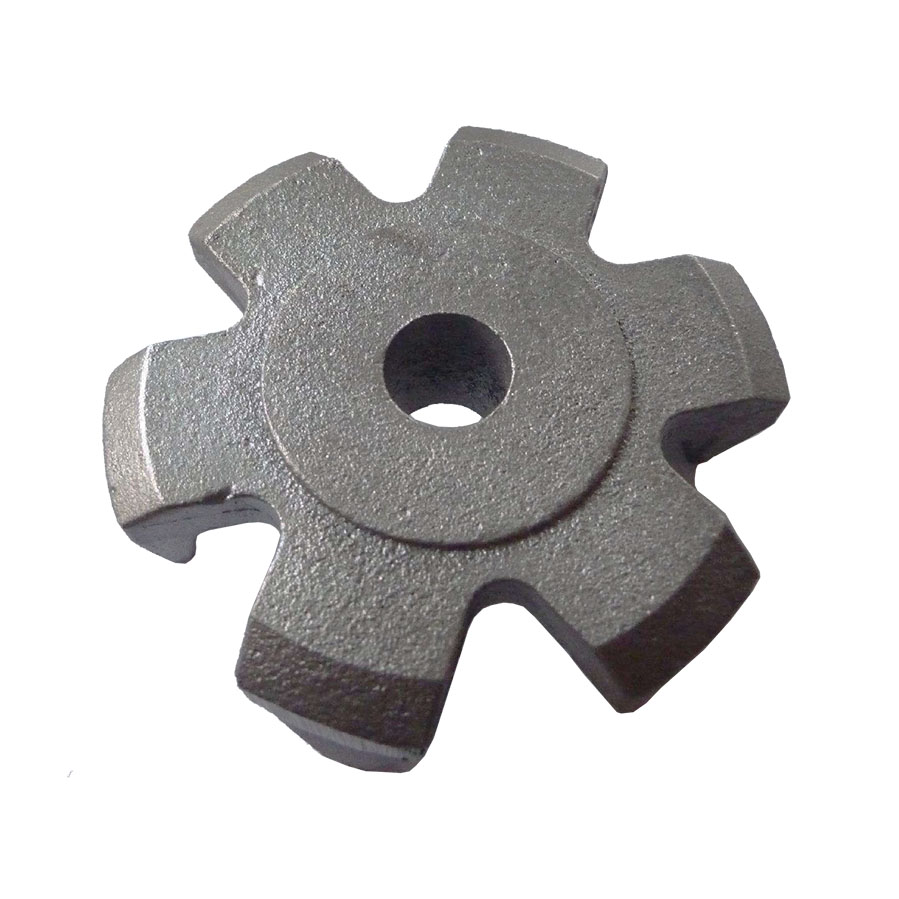
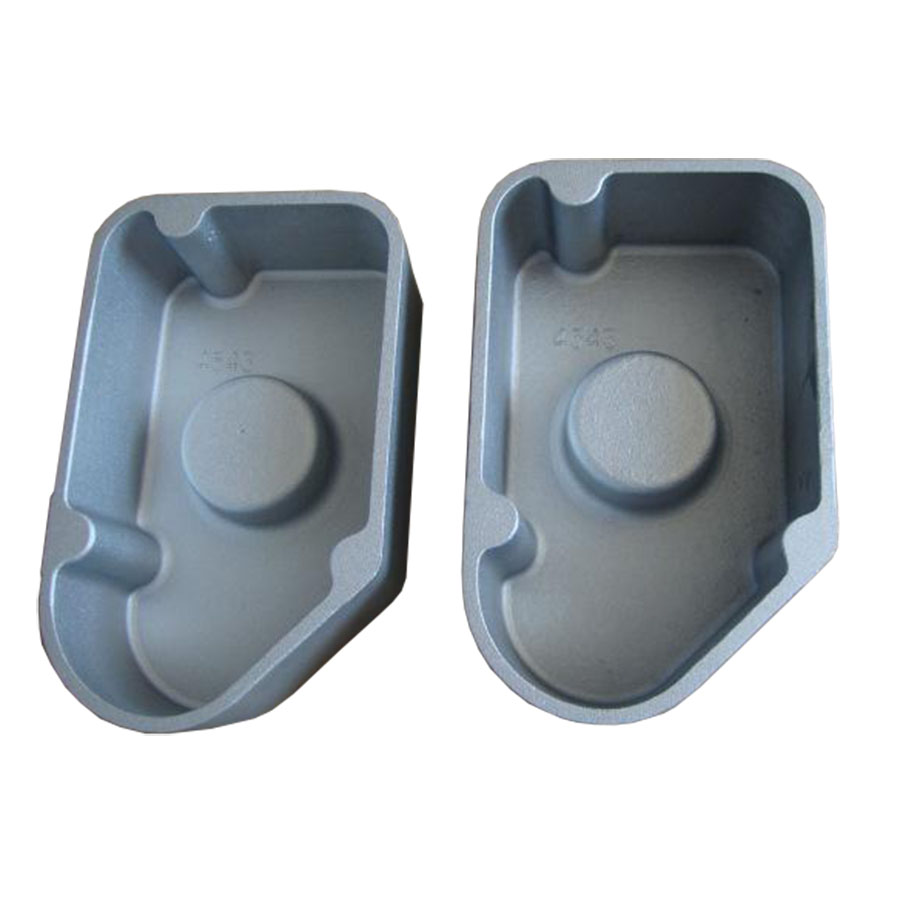
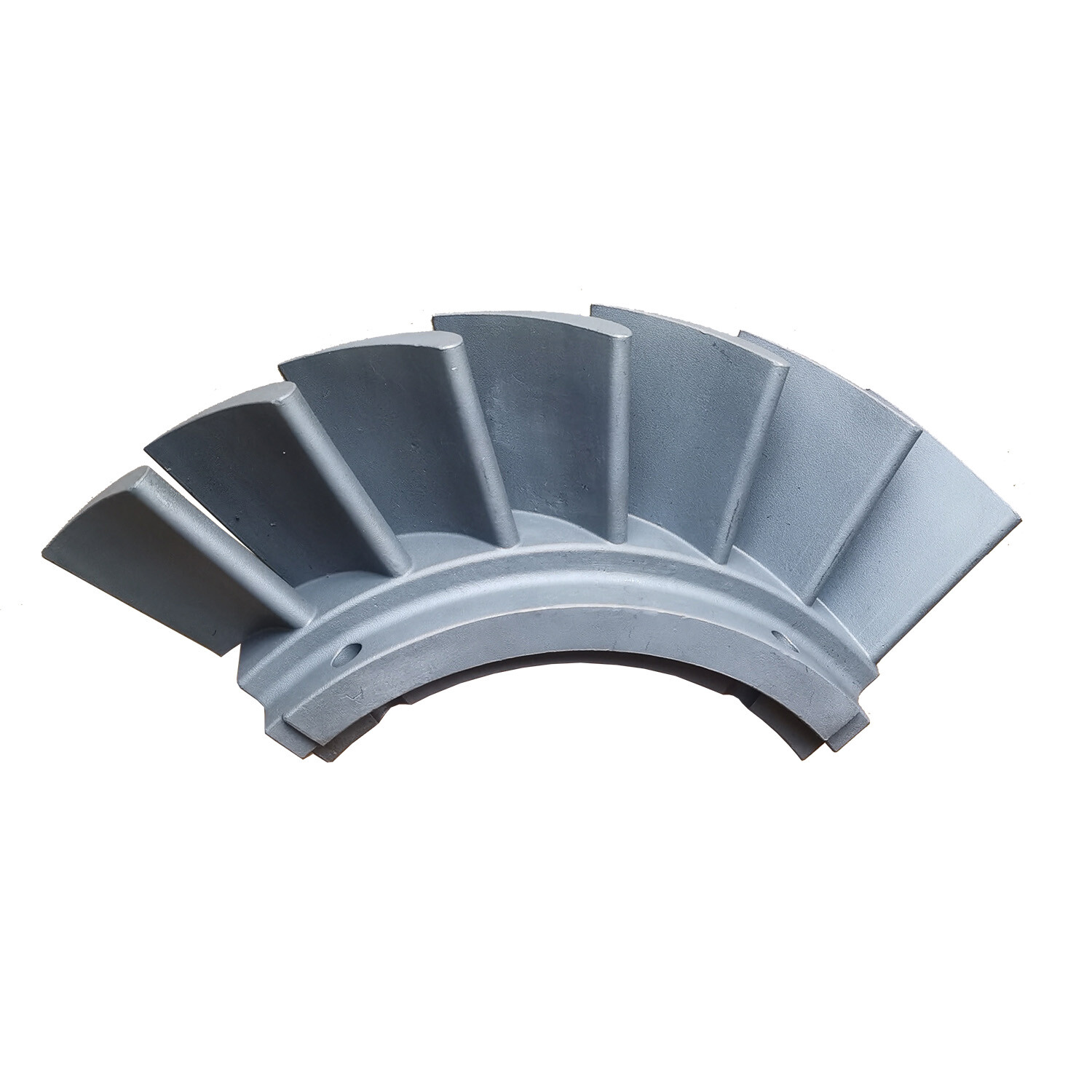
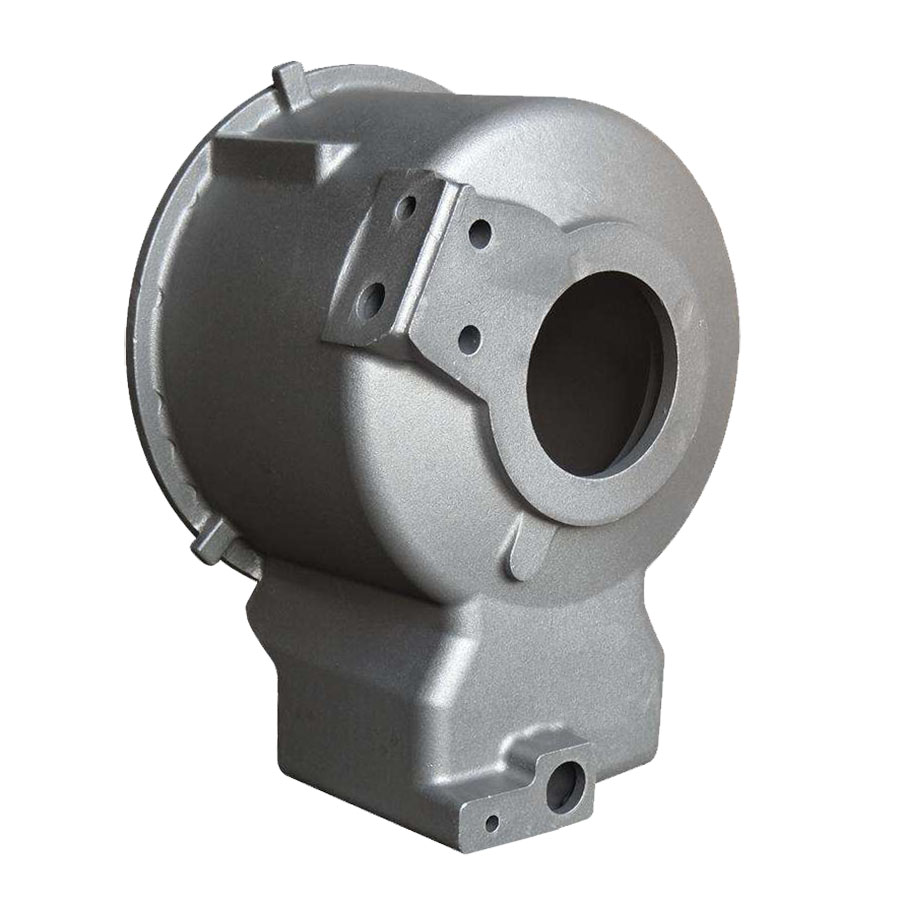
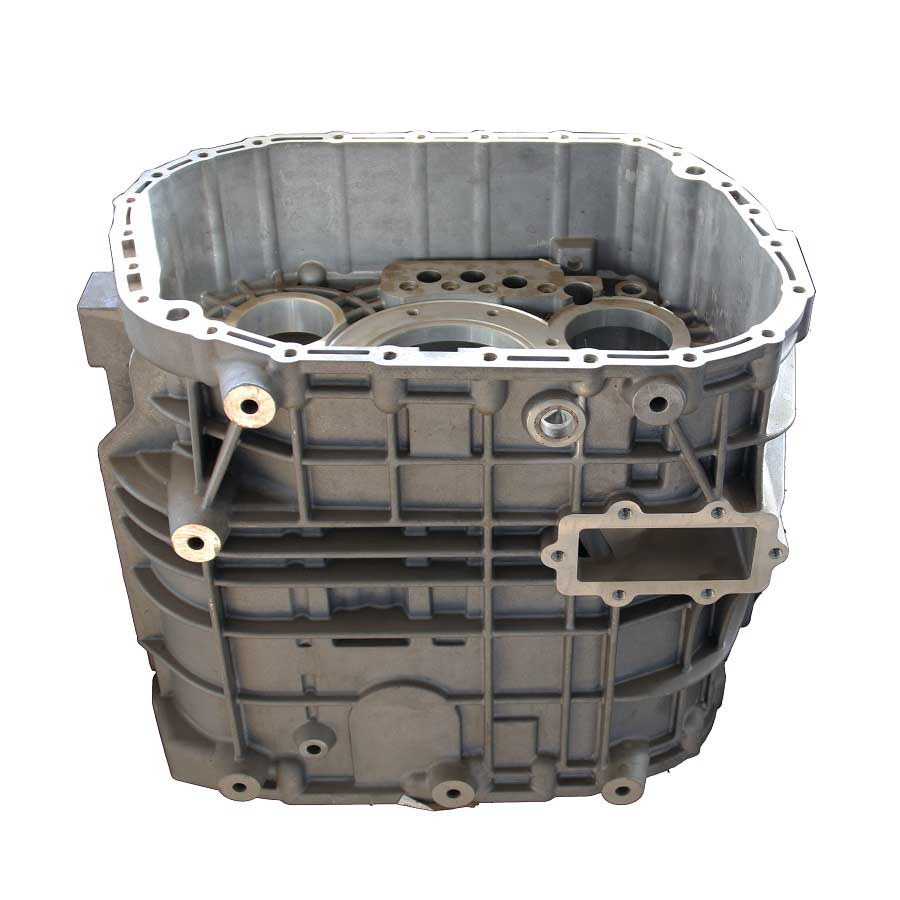
OEM Custom Aluminium Vacuum Casting Parts
Process: Vacuum Casting + Machining
Weight: 25 kg
Application: Heavy Duty Truck
Description
OEM Custom Aluminium Alloy Vacuum Casting Parts with engineering services from ideas to markets.
The vacuum castings could be used at a wide range of industries. It can be used for single-piece small batch production as well as mass production, especially large and medium-sized castings and thin-walled castings are more suitable for vacuum casting. Therefore, the vacuum castings are mainly used for agricultural machineries, hydraulic systems, rail freight cars, cranes and shipbuilding industries.
▶ Vacuum Casting Materials:
• Carbon Steel: Low Carbon Steel, Medium Carbon Steel and High Carbon Steel from AISI 1020 to AISI 1060.
• Cast Steel Alloys: ZG20SiMn, ZG30SiMn, ZG30CrMo, ZG35CrMo, ZG35SiMn, ZG35CrMnSi, ZG40Mn, ZG40Cr, ZG42Cr, ZG42CrMo...etc on request.
• Stainless Steel: AISI 304, AISI 304L, AISI 316, AISI 316L and other stainless steel grade.
• Brass & Copper.
• Other Materials and Standards on request
▶ V Process Casting Capacities:
• Max Size: 1,000 mm × 800 mm × 500 mm
• Weight Range: 0.5 kg - 100 kg
• Annual Capacity: 2,000 tons
• Tolerances: On Request.
▶ Inspecting V-Process Casting Components:
• Spectrographic and manual quantitative analysis
• Metallographic analysis
• Brinell, Rockwell and Vickers hardness inspection
• Mechanical property analysis
• Low and normal temperature impact testing
• Cleanliness inspection
• UT, MT and RT inspection
▶ Vacuum Casting Procedures:
• The pattern is covered tightly by a thin sheet of plastic.
• A flask is placed over the coated pattern and is filled with dry sand without bind.
• The second flak is then placed on top of the sand, and a vacuum draws the sand so that the pattern can be tight and withdrawn. Both halves of the mold are made and assembled in this way.
• During pouring, the mold remains under a vacuum but the casting cavity does not.
• When the metal has solidified, the vacuum is turned off and the sand falls away, releasing the casting.
• Vacuum molding produces casting with high-quality detail and dimensional accuracy.
• It is especially well suited for large, relatively flat castings.
▶ Post-Casting Process
• Deburring & Cleaning
• Shot Blasting / Sand Peening
• Heat Treatment: Normalization, Quench, Tempering, Carburization, Nitriding
• Surface Treatment: Passivation, Andonizing, Electroplating, Hot Zinc Plating, Zinc Plating, Nickel Plating, Polishing, Electro-Polishing, Painting, GeoMet, Zintec.
• Machining: Turning, Milling, Lathing, Drilling, Honing, Grinding.
▶ Why You Choose RMC for V (Vacuum) Process Casting Components?
• Easy recovery of the sand because the binders are not used
• Sand does not require mechanical reconditioning.
• Good air permeability because there is no water is mixed with sand, therefore less casting defects.
• More suitable for large scale castings
• Cost effective, especially for large castings.
▶ General Commerial Terms
• Main workflow: Inquiry & Quotation → Confirming Details / Cost Reduction Proposals → Tooling Development → Trial Casting → Samples Approval → Trial Order → Mass Production → Continuous Order Proceeding
• Leadtime: Estimatedly 15-25 days for tooling development and estimatedly 20 days for mass production.
• Payment Terms: To be negotiated.
• Payment methods: T/T, L/C, West Union, Paypal.
Inquiry