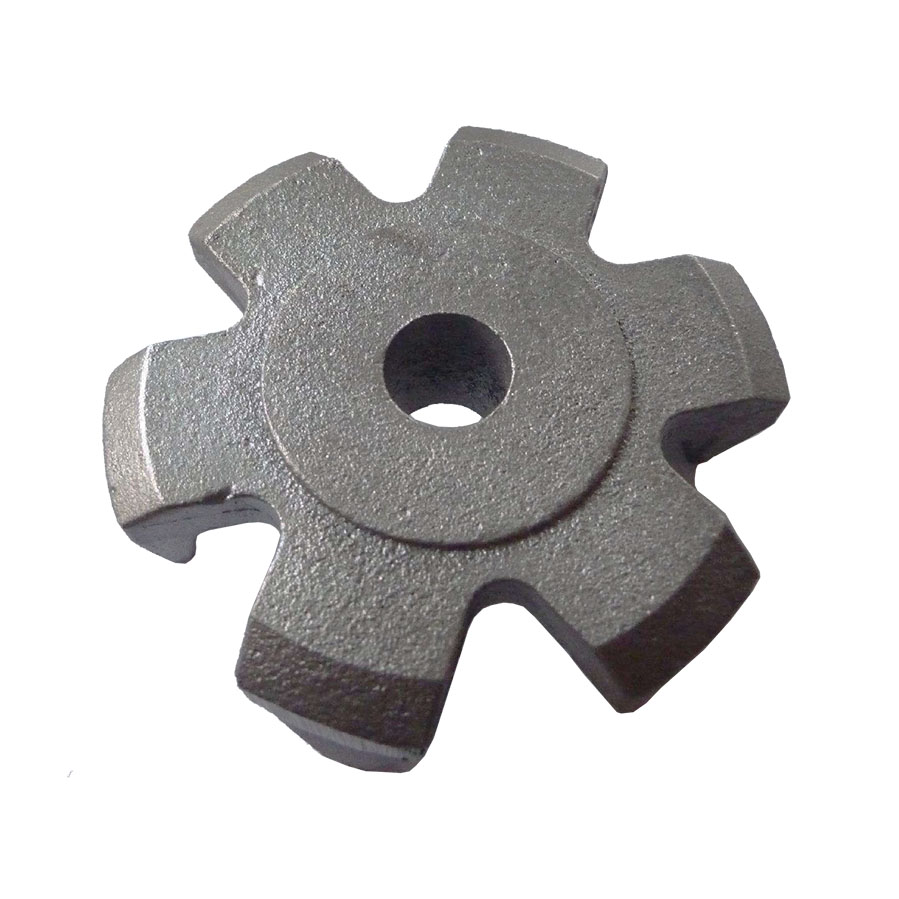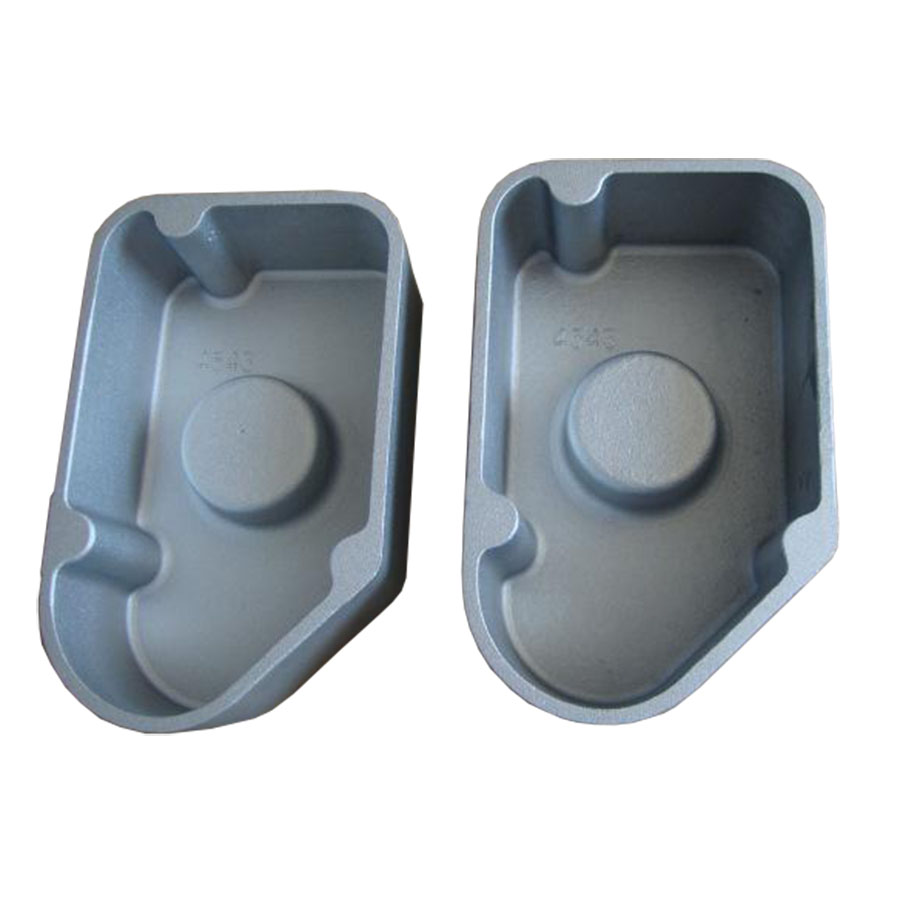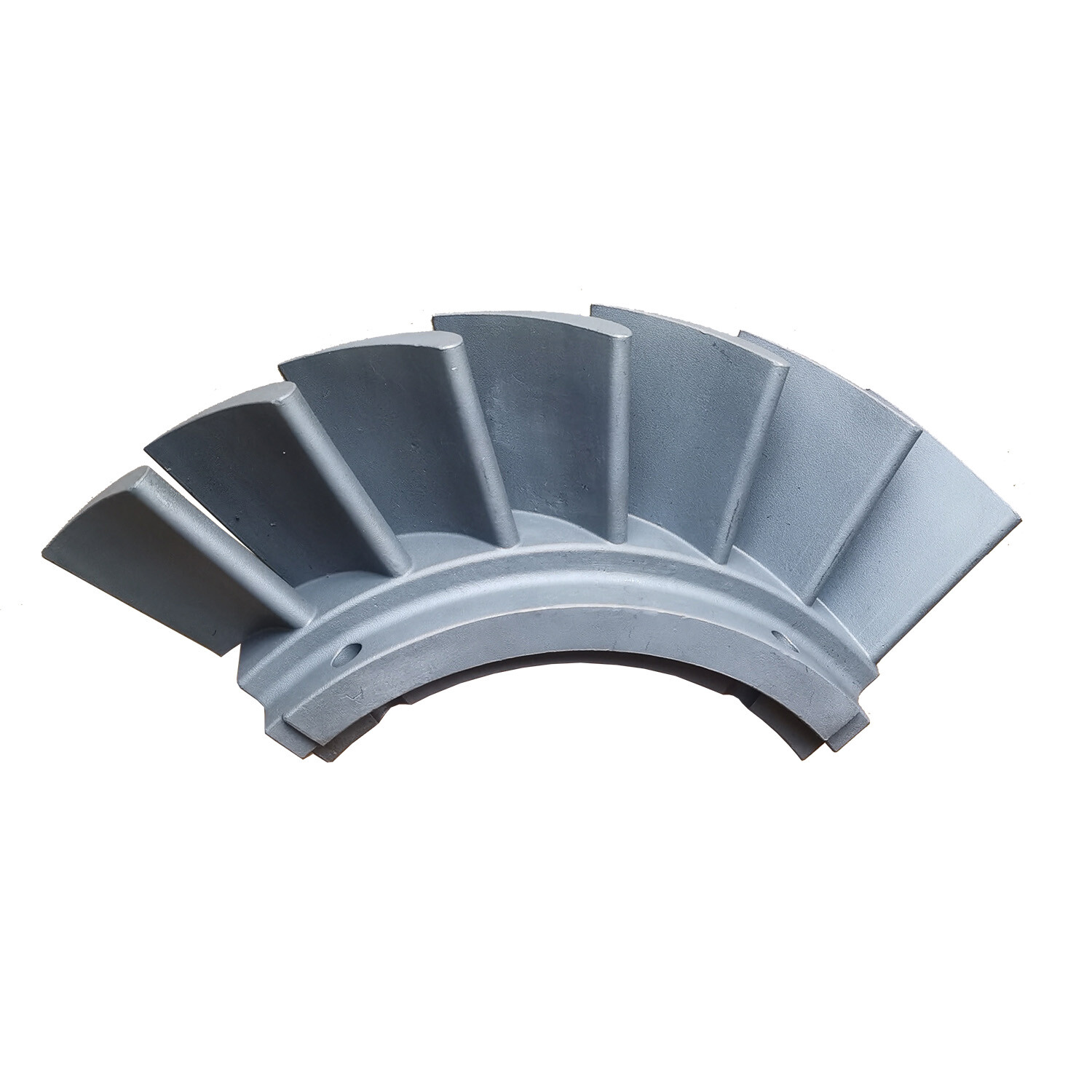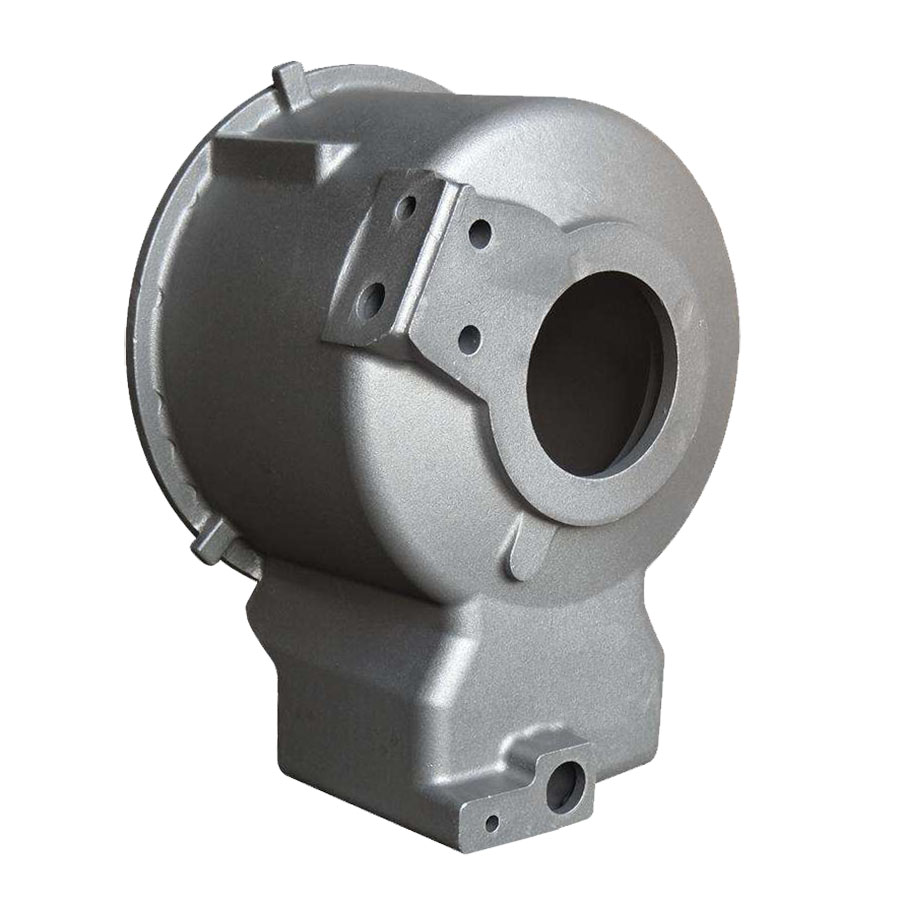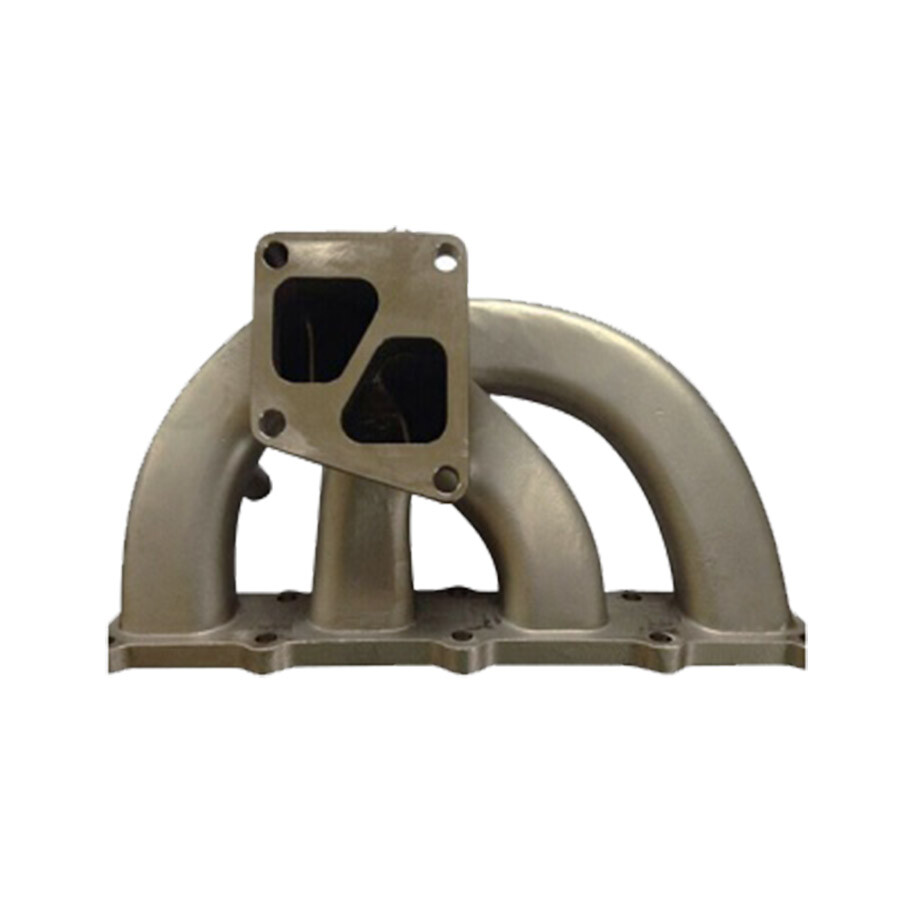
Stainless Steel Investment Casting Exhaust Manifold
Material: Cast Stainless Steel
Process: Precision Investment Casting + CNC Machining
Weight: 5.20 kg
China OEM custom stainless steel investment casting exhaust manifold with CNC machining services.

Description

Custom stainless steel casting products produced by investment casting and CNC machining.

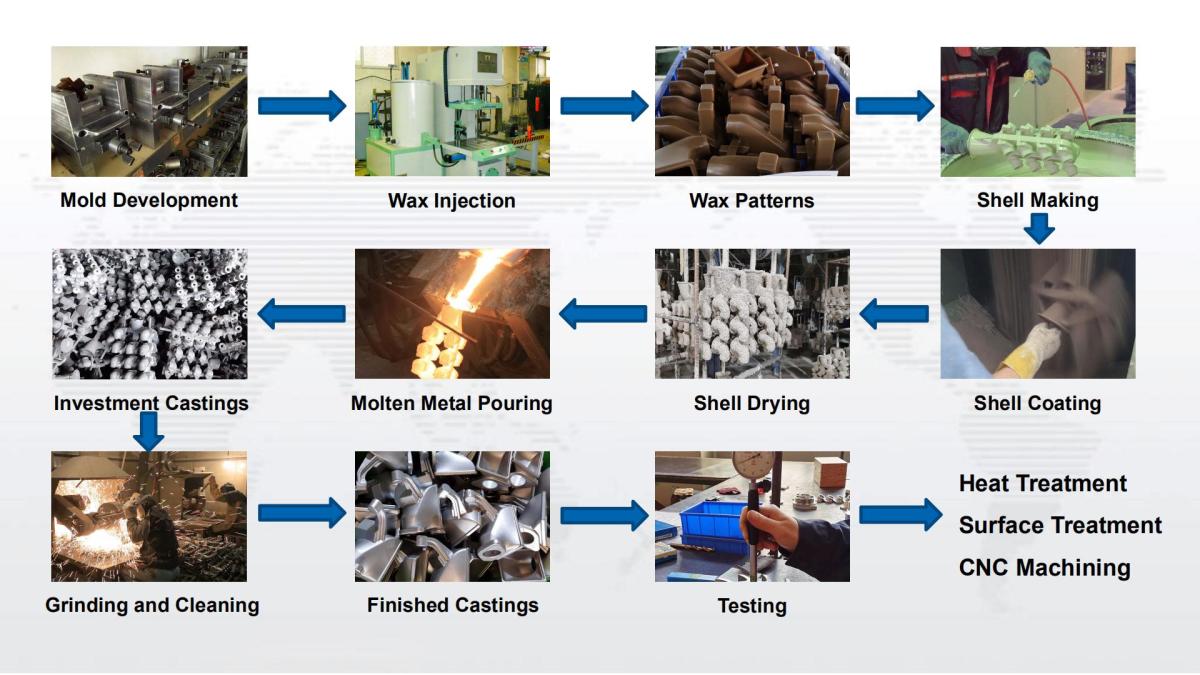
Investment casting, which is also known lost wax casting or precision casting, refers to the formation of ceramic around the wax patterns to create a multi or single part mold to receive molten metal. This process utilizes an expendable injection molded wax pattern process to achieve complex forms with exceptional surface qualities. To create a mold, a wax pattern, or cluster of patterns, is dipped into ceramic material several times to build a thick shell. De-wax process is then followed by the shell dry process. The wax-less ceramic shell is then produced. Molten metal is then poured into the ceramic shell cavities or cluster, and once solid and cooled, the ceramic shell is broken off to reveal the final cast metal object. Precision investment castings can achieve exceptional accuracy for both small and large casting parts in a wide range of materials.


Investment Casting Technical Data at RMC Foundry
R&D                    Software:  Solidworks, CAD, Procast, Pro-e
                    Lead Time for Development and Samples: 25 to 35  days
Molten Metal                    Ferritic  Stainless Steel, Martensitic Stainless Steel, Austenitic stainless steel,  Precipitation Hardening Stainless Steel, Duplex Stainless Steel
                    Carbon Steel, Alloy Steel, Tool Steel, Heat  Resistant Steel,
                    Nickle-base Alloy, Aluminium Alloy, Copper-base  Alloy, Cobalt-base Alloy
Metal Standard                    ISO,  GB, ASTM, SAE, GOST EN, DIN, JIS, BS
Material for Shell Building                    Silica  Sol (Precipitated Silica )
                    Water Glass (Sodium Silicate)
                    Mixtures of Silica Sol and Water Glass
Technical Parameter                    Piece  Weight: 2 gram to 200 kilo gram
                    Max Dimension: 1,000 mm for Diameter or Length
                    Min Wall Thickness: 1.5mm
                    Casting Roughness: Ra 3.2-6.4, Machining  Roughness: Ra 1.6
                    Tolerance of Casting: VDG P690, D1/CT5-7
                    Tolerance of Machining: ISO 2768-mk/IT6
                    Inner Core: Ceramic Core, Urea Core, Water  Soluble Wax Core
Heat Treatment                    Normalizing,  Tempering, Quenching, Annealing, Solution, Carburization.
Surface Treatment                    Polishing,  Sand / Shot Blasting, Zinc Plating, Nickel Plating, Oxidation Treatment,  Phosphating, Powder Painting, Geormet, Anodizing
Dimension Testing                    CMM,  Vernier Caliper, Inside Caliper. Depth Gage, Height Gage, Go/No go Gage,  Special Fixtures
Chemical Inspection                    Chemical  Compostion Analysis (20 chemical elements), Cleanliness Inspection, X-ray  Radiographic Inspection, Carbon-Sulfur Analyser
Physical Inspection                    Dynamic  Balancing, Static Blancing, Mechanical Properties (Hardness, Yield Strength,  Tensile Strength), Elongation
Production Capacity                    More  than 250 tons per month, more than 3,000 tons annually.


What Are The Advantages of Investment Casting?
✔ Excellent and smooth surface finish
✔ Tight dimensional tolerances.
✔ Complex and intricate shapes with design flexibility
✔ Capability to cast thin walls therefore a lighter casting component
✔ Wide selection of cast metals and alloys (ferrous and non-ferrous)
✔ Draft is not required in the molds design.
✔ Reduce the need for secondary machining.
✔ Low material waste.


Equivalent Grade of Stainless Steel

Types

AISIW-stoffDINBSSSU.N.E.  / I.H.A.UNI
Martensitic and Ferritic Stainless Steel420  C1,4034X43Cr16


440 B/11,4112X90  Cr Mo V18


-1.2083X42  Cr 13-2314F.5263-
4031.4000X6Cr13403  S 172301F.3110X6Cr13
(410S)1.4001X7  Cr 14(403  S17)2301F.3110X6Cr13
4051.4002X6  CrAl 13405  S 17-F.3111X6  CrAl 13
4161.4005X12  CrS 13416  S 212380F.3411X12CrS13
4101.4006X  10 Cr 13410  S212302F.3401X12Cr13
4301.4016X6  Cr 17430  S 172320F.3113X8Cr17
4201.4021X20  Cr 13420  S 372303F.3402X20Cr13
420F1.4028X30  Cr 13420  S 45(2304)F.3403X30Cr13
(420)1.4031X39Cr13420  S 45(2304)F.3404-
4311.4057X20  CrNi 17 2431  S 292321F.3427X16CrNi16
430F1.4104X12  CrMoS 17-2383F.3117X10CrS17
4341.4113X6  CrMo 17434  S 172325-X8CrMo17
430Ti1.4510X6  CrTi 17---X6CrTi17
4091.4512X5  CrTi 12409  S 17--X6CrTi12
Austenitic Stainless Steel3041.4301X5  CrNi 18 9304  S 152332F.3551X5CrNi18  10
3051.4303X5  CrNi 18 12305  S 19--X8CrNi19  10
3031.4305X12  CrNiS 18 8303  S 212346F.3508X10CrNiS  18 09
304L1.4306X2  CrNiS 18 9304  S 122352F.3503X2CrNi18  11
3011.4310X12  CrNi 17 7-2331F.3517X12CrNi17  07
3041.4350X5  CrNi 18 9304  S 312332F.3551X5CrNi18  10
3041.4350X5  CrNi 18 9304  S 312333F.3551X5CrNi18  10
304LN1.4311X2  CrNiN 18 10304  S 622371--
3161.4401X5  CrNiMo 18 10316  S 162347F.3543X5CrNiMo17  12
316L1.4404-316  S 12/13/14/22/242348
X2CrNiMo17  12
316LN1.4429X2  CrNiMoN 18 13-2375--
316L1.4435X2  CrNiMo 18 12316  S 12/13/14/22/242353-X2CrNiMo17  12
3161.4436-316  S 332343-X8CrNiMo  17 13
317L1.4438X2  CrNiMo 18 16317  S 122367-X2CrNiMo18  16
3291.4460X3  CrNiMoN 27 5 2-2324F.3309-
3211.4541X10  CrNiTi 18 9321  S 122337F.3553X6CrNiTi18  11
3471.4550X10  CrNiNb 18 9347  S 172338F.3552X6CrNiNb18  11
316Ti1.4571X10  CrNiMoTi 18 10320  S 172350F.3535X6CrNiMoTi  17 12
3091.4828X15  CrNiSi 20 12309  S 24--X16  CrNi 24 14
3301.4864X12  NiCrSi 36 16----
Duplex Stainless SteelS327501.4410X  2 CrNiMoN 25 7 4-2328--
S315001.4417X  2 CrNiMoSi 19 5-2376--
S318031.4462X  2 CrNiMoN 22 5 3-2377--
S327601.4501X  3 CrNiMoN 25 7----
6301.4542X5CrNiCNb16-4----
A564/630------


What Are The Steps of Investment Casting Process?
During the investment casting process, a wax pattern is coated  with a ceramic  material, which, when hardened, adopts the internal geometry of the desired casting. In most cases, multiple parts are cast together for high efficiency by attaching individual wax patterns to a central wax stick called a sprue. The wax is melted out of the pattern – which is why it is also known as the lost wax process – and molten metal is poured into the cavity. When the metal solidifies, the ceramic mold is shaken off, leaving the near net shape of the desired casting, followed by finishing, testing and packaging.

1617034887

Inquiry

Submit