

Product Center
Contact Us
Add: No. 58, Lingshanwan Road, Huangdao, Qingdao, China
Phone: +86 186 6184 7678
Fax: +86 532 8687 1520
Email: info@rinborn.com
follow us:




Related products
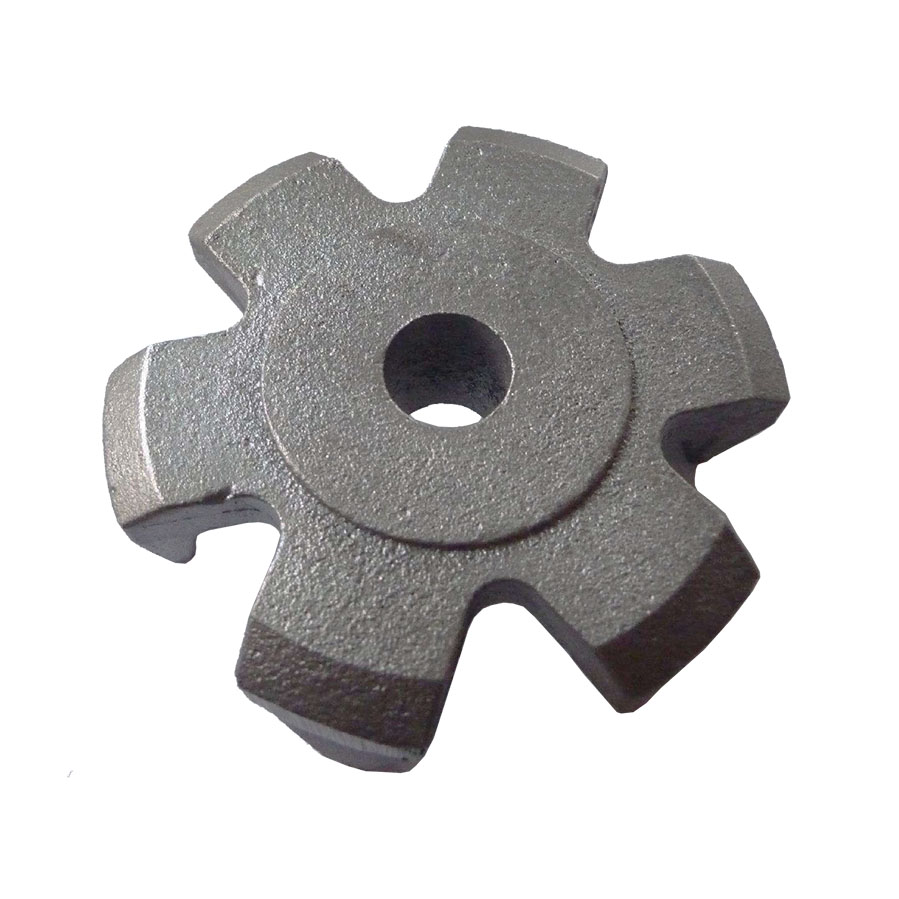
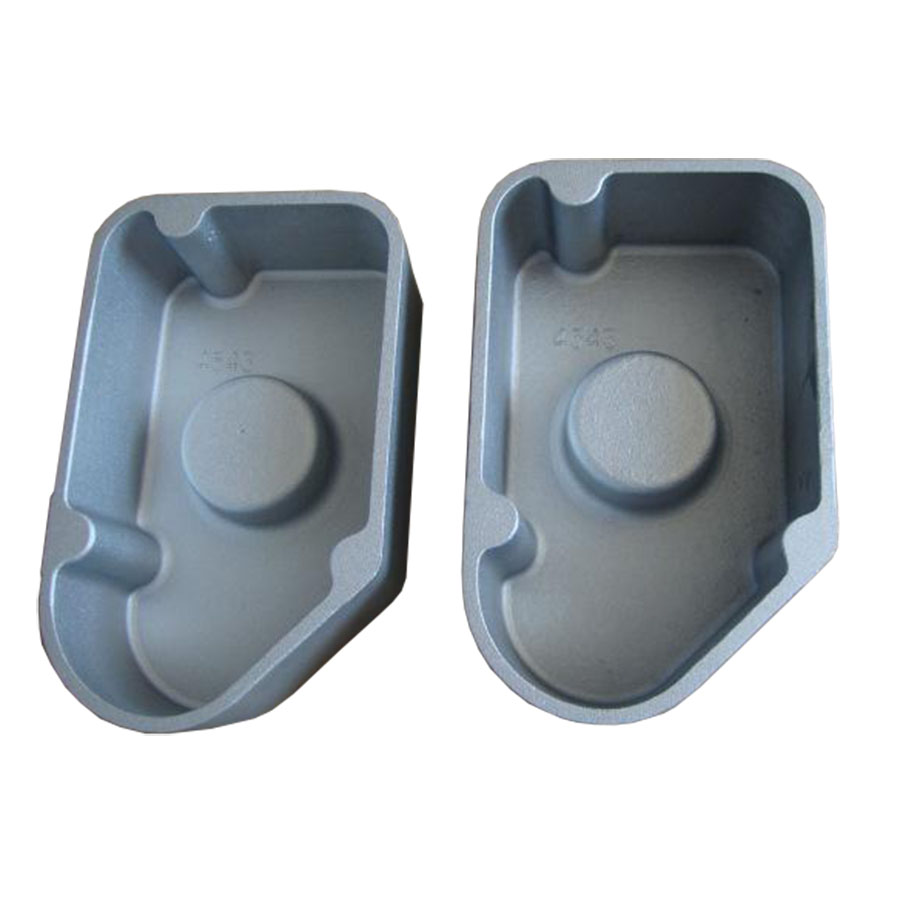
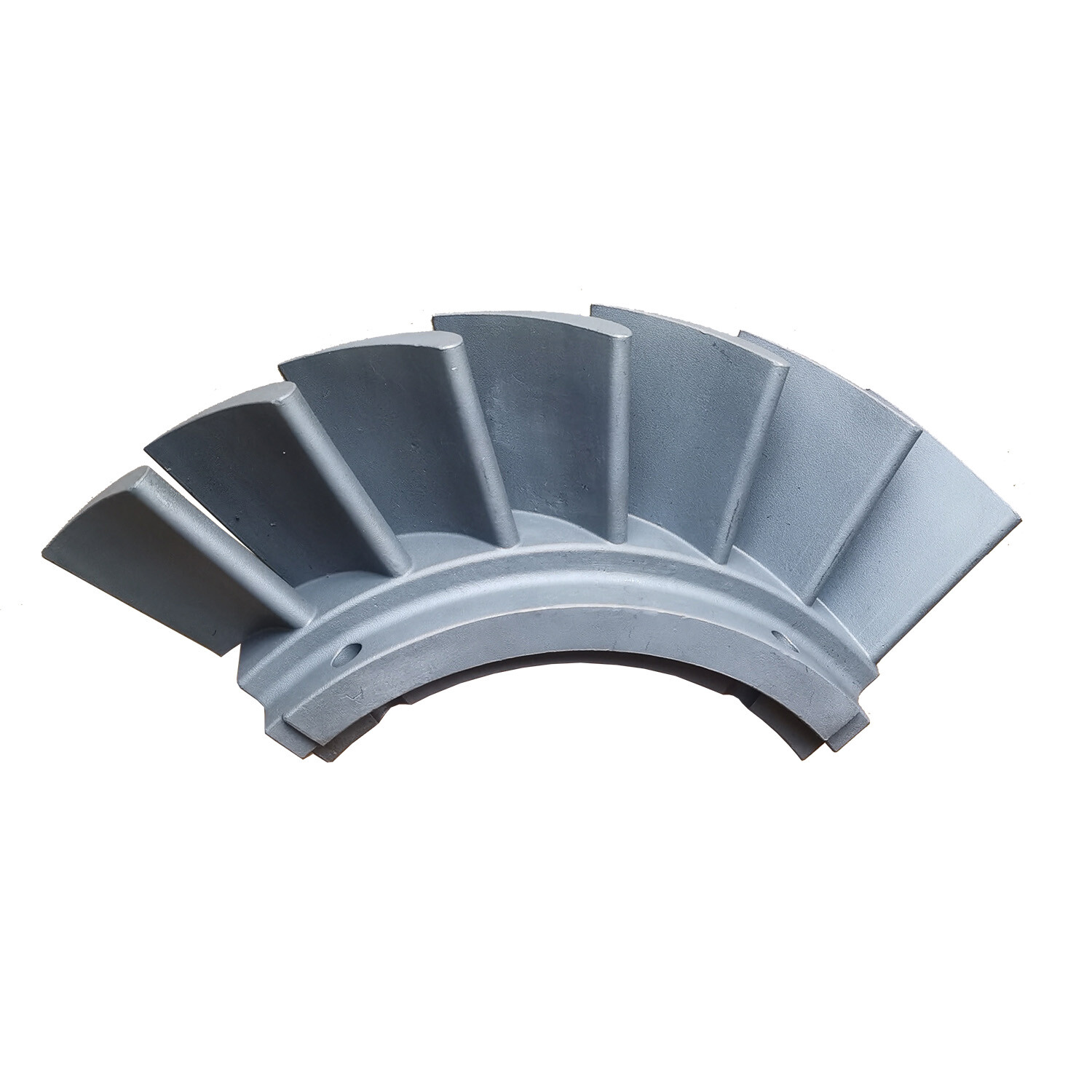
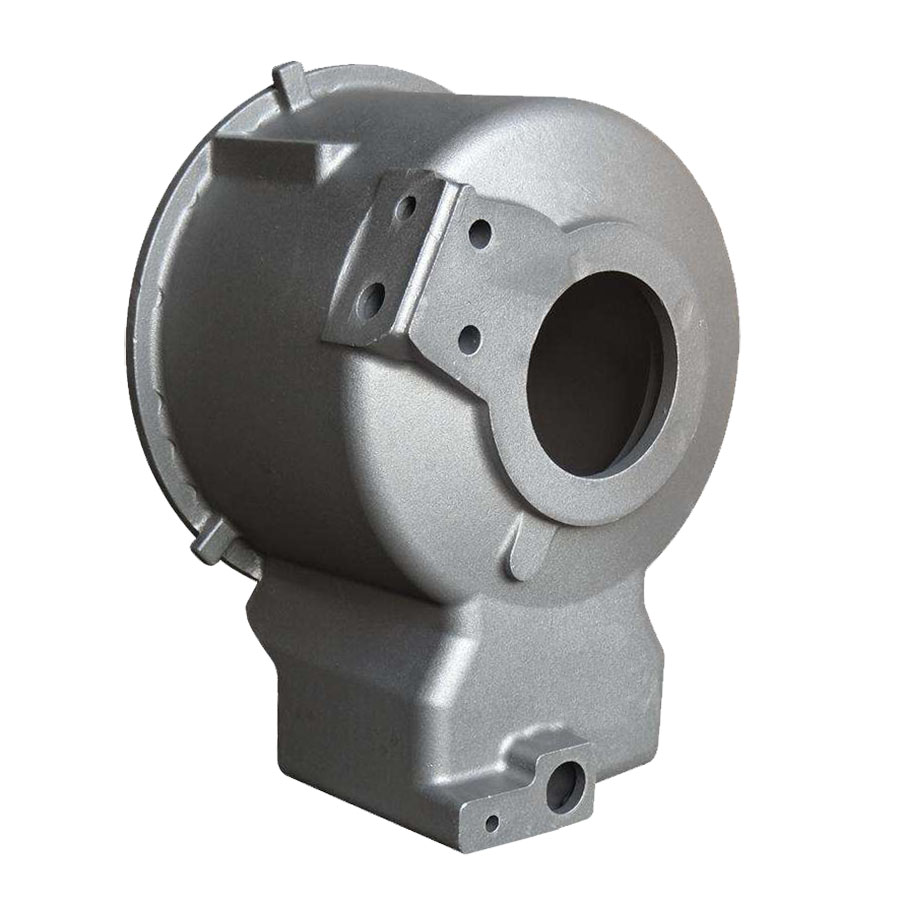
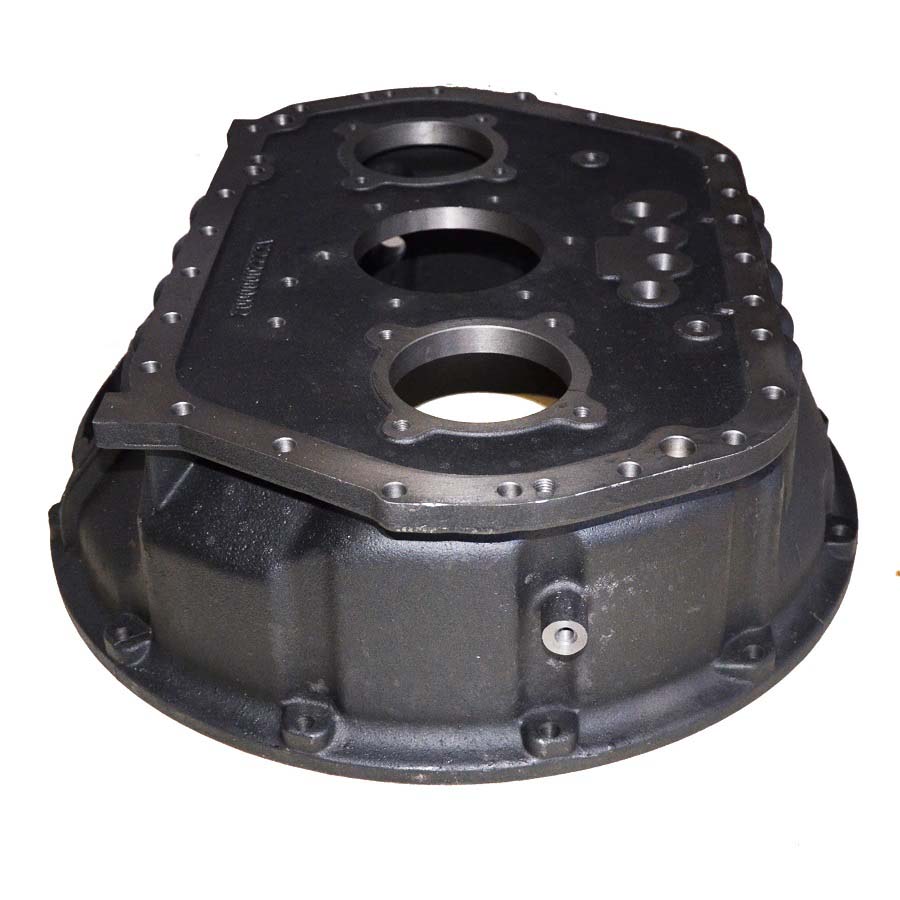
Grey Iron Casting Truck Gearbox Housing
Process: Lost Foam Cast + CNC Machining
Weight: 12.56 kg
Application: Gearbox Housing of Heavy Duty Truck
Description
Grey cast iron casting truck spare part with CNC precision machining
Gray iron is cheaper than ductile iron, but it has much lower tensile strength and ductility than ductile iron. Gray iron can not replace the carbon steel, while the ductile iron could replace the carbon steel in some situation due the high tensile strength, yield strength and elongation of ductile iron.
From the iron-carbon equilibrium diagram, it can be observed that cast irons have essentially cementite and ferrite. Because of the larger percentage of carbon, the amount of cementite is high resulting in very high hardness and brittleness qualities for cast iron.
Lost Foam Casting, also called Lost Foam Casting (LFC) or Full Mold Casting, is a kind of Evaporative Pattern Casting (EPC) with dry sand casting process. The EPC is sometimes could be short for Expendable Pattern Casting because the lost foam patterns could be used only once. After the foam patterns are finished by special machined, then the foamed plastic patterns are coated with refractory coating to form a strong shell to withstand the molten metal. The foam patterns with shells are put into the sand box, and fill it with dry sand sand around them. During pouring, the high-temperature molten metal makes the foam pattern pyrolyzed and “disappears” and occupies the exit cavity of the patterns, and finally the finished desired castings are obtained.
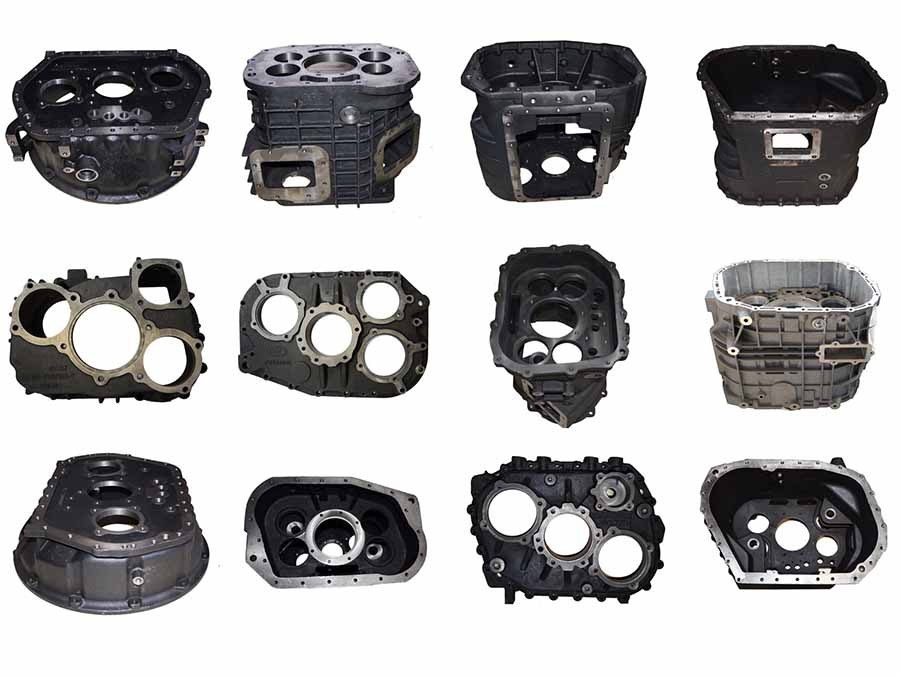
▶ The Steps of Lost Foam Casting:
- Use foam molds to produce foam patterns and casting gating systems
- Bond the patterns and runners to form a mold bundle module
- Dip paint on the module
- Dry the paint
- Put the module into the sand box and fill it with dry sand
- Vibrate molding in order to fill the cavity with dry sand and then compact the molding sand
- Pouring molten metal to vaporize the foam and then forming the desired castings
- After the castings have cooled, clean the castings. The dry sand can be recycled
▶ Raw Materials Available for Sand Casting
- Gray Iron: GJL-100, GJL-150, GJL-200, GJL-250, GJL-300, GJL-350
- Ductile Iron: GJS-400-18, GJS-40-15, GJS-450-10, GJS-500-7, GJS-600-3, GJS-700-2, GJS-800-2
- Aluminium and Their Alloys
- Other Materials and Standards on request
▶ Capabilities of Sand Casting moulded by hand:
- Max Size: 1,500 mm × 1000 mm × 500 mm
- Weight Range: 0.5 kg - 500 kg
- Annual Capacity: 5,000 tons - 6,000 tons
- Tolerances: On Request.
▶ Capabilities of Sand Casting by Automatic Molding Machines:
- Max Size: 1,000 mm × 800 mm × 500 mm
- Weight Range: 0.5 kg - 500 kg
- Annual Capacity: 8,000 tons - 10,000 tons
- Tolerances: On Request.
▶ Main Production Procedure
- Patterns & Tooling Design → Making Patterns → Moulding Process → Chemical Composition Analysis → Melting & Pouring → Cleaning, Grinding & Shot Blasting → Post Processing or Packing for Shipment
▶ Sand Casting Inspection Capabilities
- Spectrographic and manual quantitative analysis
- Metallographic analysis
- Brinell, Rockwell and Vickers hardness inspection
- Mechanical property analysis
- Low and normal temperature impact testing
- Cleanliness inspection
- UT, MT and RT inspection
▶ Applications of Our Custom Casting and Machining Parts:
- Automobile Parts: Brake Disc, Connect Rod, Drive Axle, Drive Shaft, Control Arm, Gearbox Housing, Gearbox Cover, Clutch Cover, Clutch Housing, Wheels, Filter Housing, C.V. Joint Housing, Lock Hook.
- Truck Parts: Rocker Arms, Transmission Gearbox, Drive Axles, Gear Housing, Gear Cover, Towing Eye, Connect Rod, Engine Block, Engine Cover, Joint Bolt, Power Takeoff, Crankshaft, Camshaft, Oil Pan.
- Hydraulic Parts: Hydraulic Cylinder, Hydraulic Pump, Gerotor Housing, Vane, Bushing, Hydraulic Tank, Hydraulic Cylinder Head, Hydraulic Cylinder Triangle Bracket.
- Agricultural Machinery and Tractor Parts: Gear Housing, Gear Cover, Connect Rod, Torque Rod, Engine Block, Engine Cover, Oil Pump Housing, Bracket, Hanger, Hook, Bracket.
- Rail Trains and Freight Cars: Shock Absorber Housing, Shock Absorber Cover, Draft Gear Housing, Draft Gear Cover, Wedge and Cone, Wheels, Brake Systems, Handles, Guids.
- Construction Machinery Parts: Gear, Bearing Seat, Gear Pump, Gearbox Housing, Gearbox Cover, Flange, Bushing, Boom Cylinder, Support Bracket, Hydraulic Tank, Bucket Teeth, Bucket.
- Logistics Equipment Parts: Wheels, Caster, Bracket, Hydraulic Cylinder, Forklift Spare Parts, Lock Case.
- Valve and Pump Parts: Valve Body (Housing), Butterfly Valve Disc, Ball Valve Housing, Flange, Connector, Camlock, Open Impeller, Close Impeller, Pump Housing (Body), Pump Cover.
Inquiry